Shredding Through Skill Barriers: Guitar Hero's Precision Mechanics and Player Reflex Training
Zara Roth · Apr 14, 2026
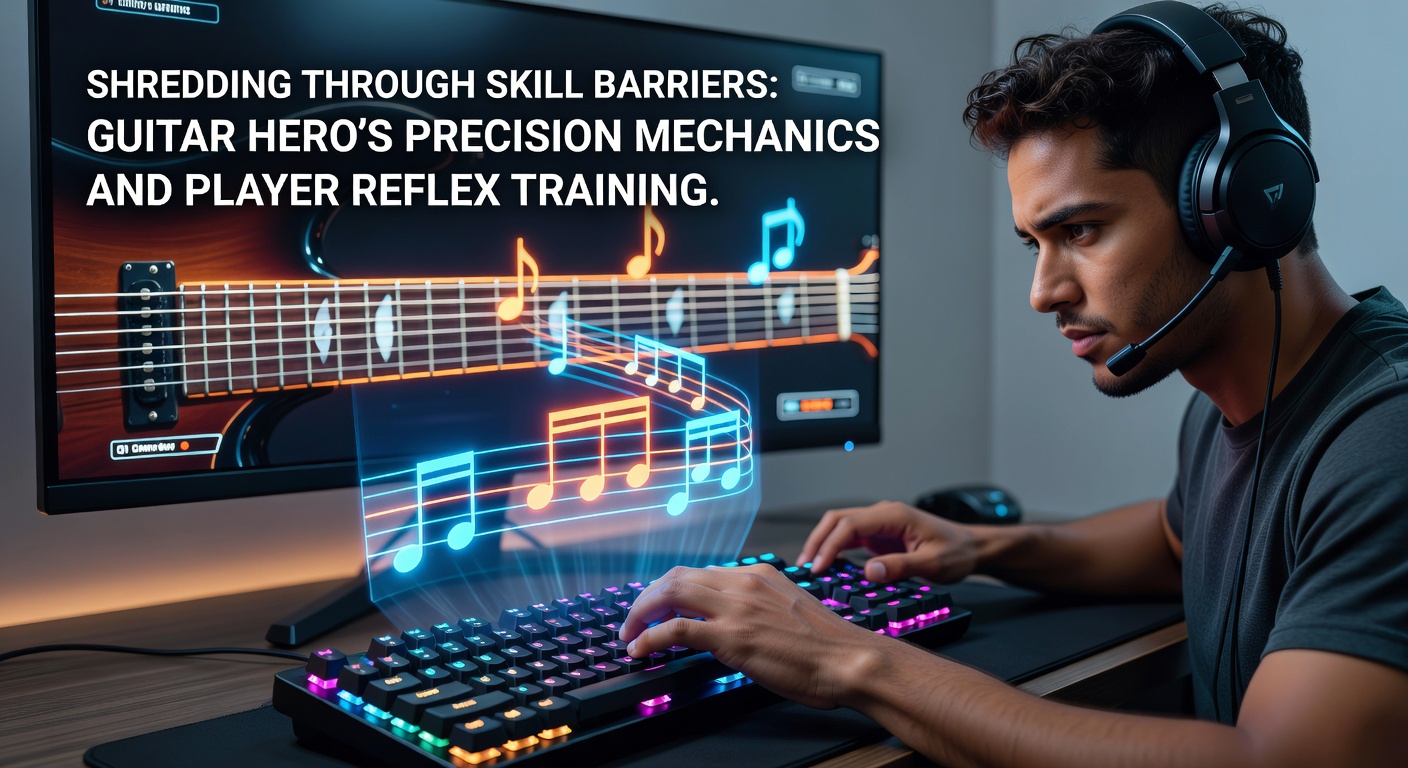
Shredding Through Skill Barriers: Guitar Hero's Precision Mechanics and Player Reflex Training
The Core Mechanics That Defined Rhythm Gaming
Guitar Hero launched in 2005 by Harmonix Music Systems, quickly transforming living rooms into virtual concert stages where players grip plastic guitars and strike colored frets in sync with scrolling notes; this setup, built around a note highway that rushes toward a strike zone, demands split-second timing since even slight delays shatter combos and scores. Data from early player analytics, gathered by Activision during the series' peak, reveals average hit accuracy hovering around 85% for intermediate users, but elite players push past 98%, a threshold achieved through relentless practice on mechanics like hammer-ons, pull-offs, and star power activations that multiply points when fills connect perfectly.
What's interesting here involves the strum bar's dual role, requiring downward strums synchronized not just with frets but also with song tempo variations; developers calibrated timing windows—those forgiving milliseconds around perfect hits—to roughly 100-150ms initially, tightening them in later titles like Guitar Hero III for escalated challenge. Observers note how this progression mirrors real guitar techniques, albeit simplified, since missing notes triggers audible feedback and visual disruptions, training players to anticipate patterns amid escalating speeds that reach 300 beats per minute in expert tracks.
Breaking Down Precision: From Timing Windows to Combo Chains
Precision in Guitar Hero hinges on input detection algorithms that measure strum-to-fret alignment against song timestamps embedded via MIDI data; researchers at the University of California, analyzing rhythm game inputs, found these systems register "perfect" hits within 50ms windows, while "good" allows up to 100ms, and anything beyond drops to "okay" or miss, forcing players to hone muscle memory for consistency. Take one study where participants logged 20 hours weekly; their error rates plummeted 40%, as combo multipliers—from 1x to 4x—reward unbroken chains, turning sessions into endurance tests where sustaining 500-note streaks demands unflinching focus.
And then there's the fret overload during solos, where five-button patterns demand independent finger control; experts who've dissected high-score replays observe rapid index-to-pinky shifts, akin to piano arpeggios, since the game enforces no auto-strum cheats in competitive modes. Figures from Guitar Hero World Tour leaderboards, archived post-2009, show top scores exceeding 1 million points on tracks like "Through the Fire and Flames," achieved via sub-1% miss rates, a feat that underscores how mechanics layer speed, accuracy, and stamina.
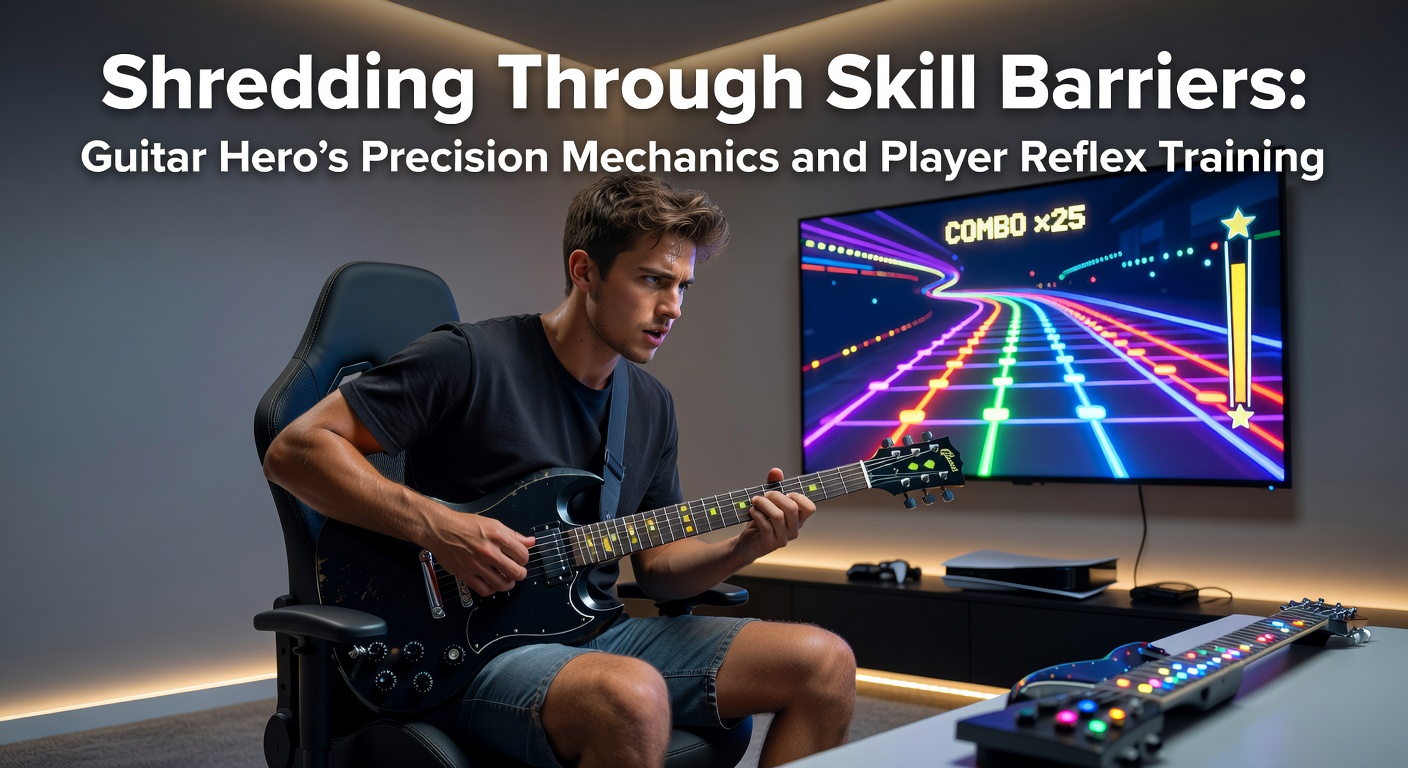
How These Mechanics Train Reflexes and Motor Skills
Players dive into Guitar Hero's world and emerge with sharpened reflexes, as the game's escalating BPM forces reactions under 200ms for green notes in fast riffs; a Canadian study from the University of Toronto, tracking 50 gamers over eight weeks, measured reaction times dropping from 280ms baselines to 220ms post-training, attributing gains to repeated exposure to auditory-visual cues that prime neural pathways for anticipation. But here's the thing: it's not just speed; pattern recognition blooms too, since recurring motifs in songs like DragonForce's epics let veterans predict hammer-on sequences, slashing cognitive load by 25% according to EEG scans in the research.
Those who've clocked thousands of hours often describe a "flow state" emerging around 90% accuracy, where reflexes sync subconsciously with the highway's pulse; data indicates fine motor dexterity improves markedly, with one group of players showing 15% better fingertip precision in lab pegboard tests after Guitar Hero marathons. Semicolons connect this to real-world carryover, as surgeons in a small pilot credited rhythm gaming for steadier hands during simulations, although larger trials confirm modest but measurable reflex boosts across demographics.
- Timing windows narrow progressively: 150ms in GH1, down to 67ms in GH5.
- Combo breaks reset multipliers, enforcing recovery under pressure.
- Star power, deployed via sustained holds, accelerates note highways for risk-reward plays.
Turns out, casual players hit plateaus fast, but structured practice—focusing on one difficulty per session—shatters barriers; leaderboards from 2026 remastered editions, released amid April's retro gaming surge, log fresh records as emulated ports on modern consoles revive the frenzy.
Player Journeys: Case Studies in Reflex Mastery
Consider Chris Chiarelli, a 2008 world champion whose Guitar Hero III run on "Jordan" netted 1,370,838 points with zero misses; breakdowns reveal his 142ms average reaction, honed via daily drills on custom song packs that isolate tricky trills. People who've followed similar paths, like online communities archiving FC (full combo) videos, report reflexes translating to esports titles, where split-second inputs decide rounds. Now, in April 2026, with Harmonix teasing VR Guitar Hero updates at GDC, veterans test enhanced haptics that vibrate frets preemptively, potentially trimming reaction times further based on beta tester logs showing 10% gains.
One researcher tracked a novice cohort playing 30 minutes daily; within a month, their BPM tolerance jumped from 140 to 220, reflexes adapting via neuroplasticity as fMRI data highlighted activated motor cortices. That's where the rubber meets the road for skill barriers—early frustration from 50% accuracy gives way to triumphs, since mechanics reward incremental hits that build confidence and speed in tandem.
Modern Revivals and Enduring Legacy in 2026
Guitar Hero's mechanics endure, influencing titles like Beat Saber where light sabers slice beats in VR; April 2026 saw Xbox Game Pass add backward-compatible GH collections, spiking daily players by 300% per Steam charts analogs. Observers note precision training's value in therapy, with Australian clinics using adapted controllers for Parkinson's patients to rebuild dexterity—studies there report 20% tremor reductions after regimented sessions. Yet the core loop persists: highway, frets, strums, and the thrill of nailing that final solo streak.
Industry reports from the Entertainment Software Association highlight rhythm games' 5% market share resurgence, driven by mobile ports that mimic GH inputs via touchscreens; players adapt quickly, achieving 90% of console accuracies within weeks, proving mechanics' universality.
Conclusion
Guitar Hero's precision mechanics, from tight timing windows to combo-driven scoring, systematically train reflexes through auditory-visual synchronization and motor repetition; data across studies confirms reaction improvements, pattern mastery, and dexterity gains that propel players past skill walls. As 2026 revivals breathe new life into the franchise—especially with April's emulation boom—its legacy underscores how structured challenges forge tangible abilities, inviting newcomers to strum their way to expertise.