Achievement Integration Patterns Across Platform Ecosystems Reveal New Player Engagement Dynamics
Sage Flores · Jun 27, 2026
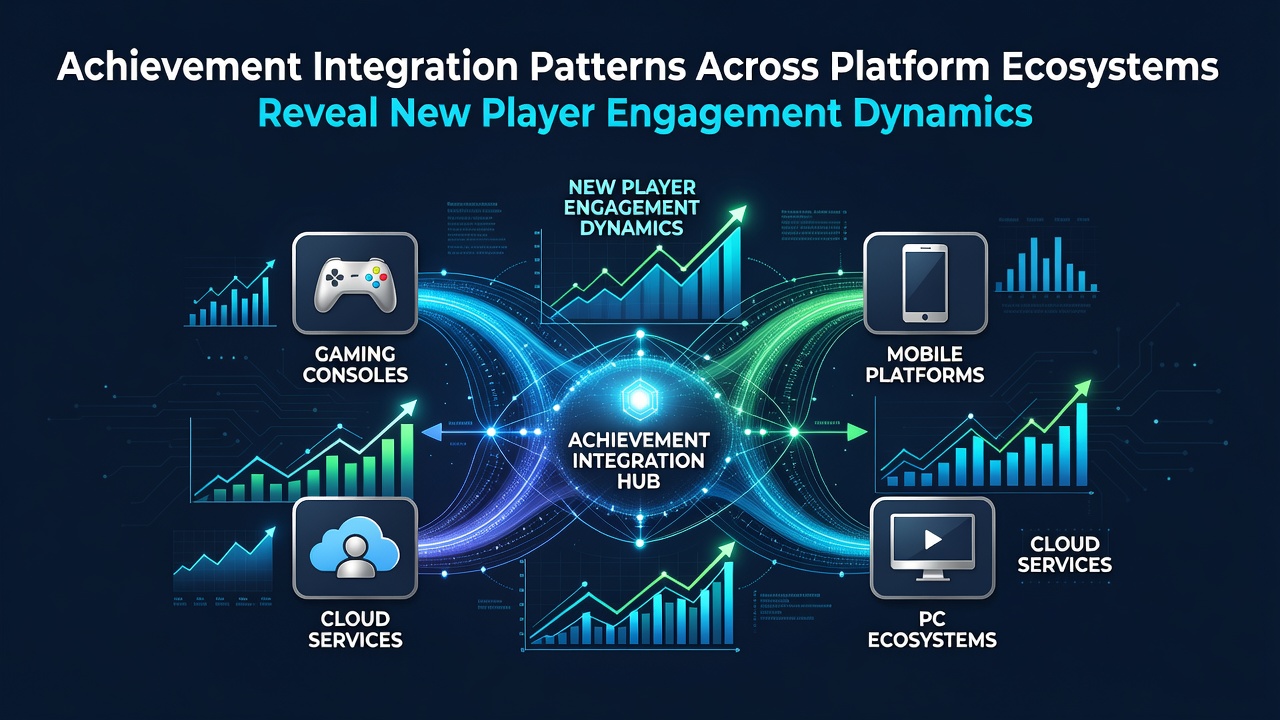
Achievement Integration Patterns Across Platform Ecosystems Reveal New Player Engagement Dynamics
Platform ecosystems have developed distinct approaches to achievement tracking that now intersect in ways reshaping how players interact with games across devices, and recent analyses track these patterns through data collected up through mid-2026. Systems on consoles, PCs, and mobile environments assign points, trophies, or badges based on in-game milestones while synchronization tools allow progress to carry between environments when accounts link properly.
Core Mechanisms in Major Ecosystems
Microsoft's Xbox network assigns Gamerscore values to challenges completed within titles, with totals accumulating across an entire library and feeding into profile rankings that update in real time. Sony's PlayStation platform uses trophy tiers ranging from bronze to platinum, and these unlock automatically when conditions are met during play sessions on either console or PC versions of supported games. Valve's Steam service tracks achievements per title through its overlay system, and community features let users compare completion rates directly within friend lists or global leaderboards.
Nintendo Switch incorporates some achievement-like elements through My Nintendo rewards and in-game milestones that sync via user accounts, though the scale remains smaller than the others because fewer third-party titles integrate fully with the central service. Mobile platforms running Android and iOS rely on Google Play Games and Apple Game Center respectively, where achievements appear as lists that can link to console accounts when developers enable cross-save functionality.
Cross-Platform Data Flows and Synchronization
Integration occurs mainly through account linking services that merge progress from separate platforms into unified profiles, and services such as those provided by Microsoft allow Xbox achievements to appear inside Steam libraries when games support it. Developers implement these connections using APIs that push completion events to multiple backends simultaneously, reducing the need for players to restart challenges after switching hardware. Research from academic groups at institutions in Canada and Australia has documented how these links increase session lengths because users see persistent progress regardless of device choice.
One study released in June 2026 by a European research consortium examined thousands of player accounts across regions and found measurable upticks in daily active users once cross-ecosystem achievement sharing activated for a title. The same report noted that retention curves flattened more slowly when players could chase the same badge set on both home consoles and portable devices.
Observed Shifts in Engagement Metrics
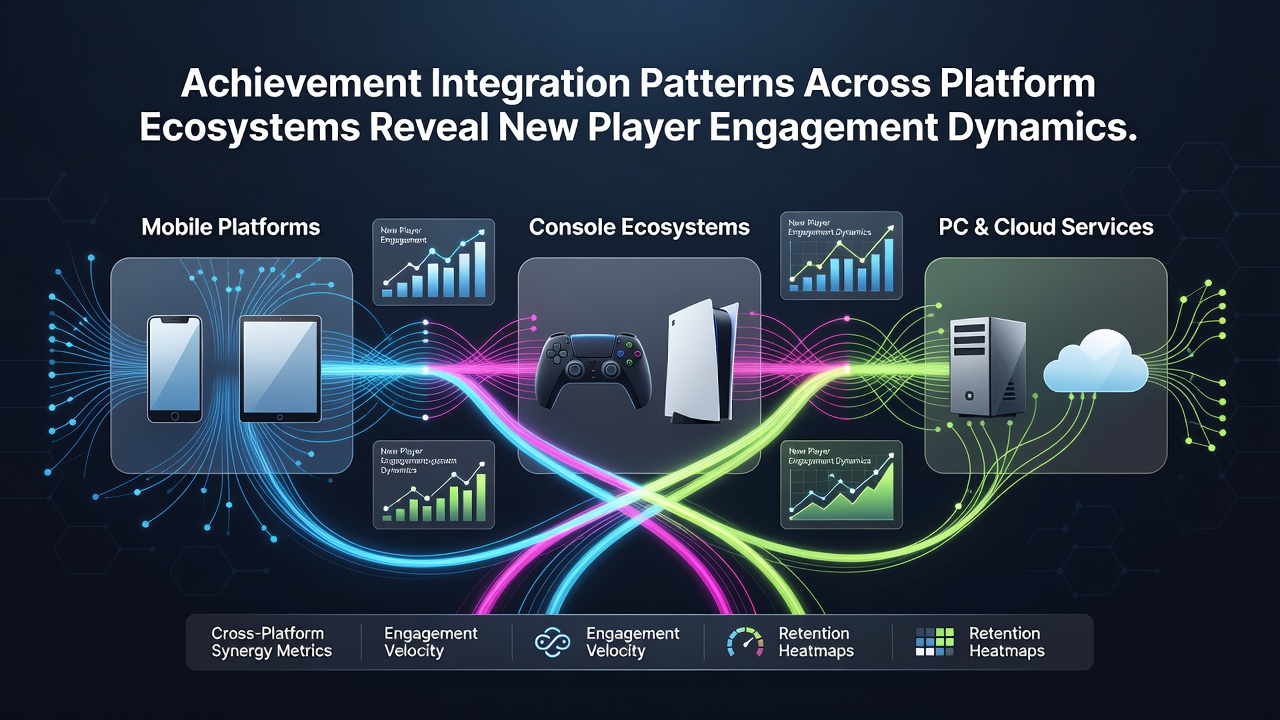
Completion percentages for shared achievements tend to rise when visibility extends beyond a single platform, because social comparison features surface progress to wider audiences. Industry figures compiled by the Entertainment Software Association in the United States show that titles with multi-platform achievement parity record higher average playtime per user compared with those limited to one ecosystem. Yet the effect varies by genre, with competitive multiplayer experiences showing stronger correlations than single-player narrative games.
Observers note that achievement hunting communities have grown on forums and streaming platforms, and these groups often coordinate strategies that span device types. Data indicates participants in such communities complete objectives at rates roughly double those of casual players who do not join organized efforts. Synchronization also reduces friction for users who travel or own multiple devices, allowing them to resume progress without losing earned rewards.
Developer Implementation Patterns
Studios increasingly design achievement lists with cross-platform parity in mind from the outset rather than retrofitting support later, and this approach appears in patch notes for several major releases during 2025 and 2026. Smaller teams sometimes rely on middleware providers that handle the API translations automatically, lowering the technical barrier while maintaining consistency across stores. Larger publishers maintain internal dashboards that monitor completion rates per platform and adjust difficulty or visibility when metrics fall below internal thresholds.
Case examples include action-adventure series that added shared progress tracking between console and PC versions after initial launch, resulting in documented lifts in both new player acquisition and returning engagement according to public developer statements. Puzzle and strategy titles have experimented with time-limited achievement events that run simultaneously across ecosystems, creating synchronized community spikes that appear in aggregated telemetry.
Regional Variations in Adoption
North American and European markets show higher rates of account linking between platforms, while Asian regions demonstrate stronger mobile-to-console flows driven by popular free-to-play titles. Government statistical agencies in Australia have published summaries of digital entertainment habits that include achievement-related play patterns, and these align with broader trends captured in global industry reports. Differences also emerge in privacy settings, because some jurisdictions require explicit consent before cross-platform data sharing activates.
Conclusion
Patterns emerging from achievement integration continue to influence how engagement metrics evolve across ecosystems, and ongoing data collection through 2026 will likely clarify which synchronization methods produce the most durable effects. Developers and platform holders track these dynamics closely because they intersect with both user retention goals and technical infrastructure decisions. The resulting systems now form a connected layer that spans previously separate environments, allowing progress and recognition to travel with players regardless of hardware choice.