Analyzing Patterns in Digital Achievement Systems Worldwide
Sage Flores · Jul 21, 2026

Analyzing Patterns in Digital Achievement Systems Worldwide
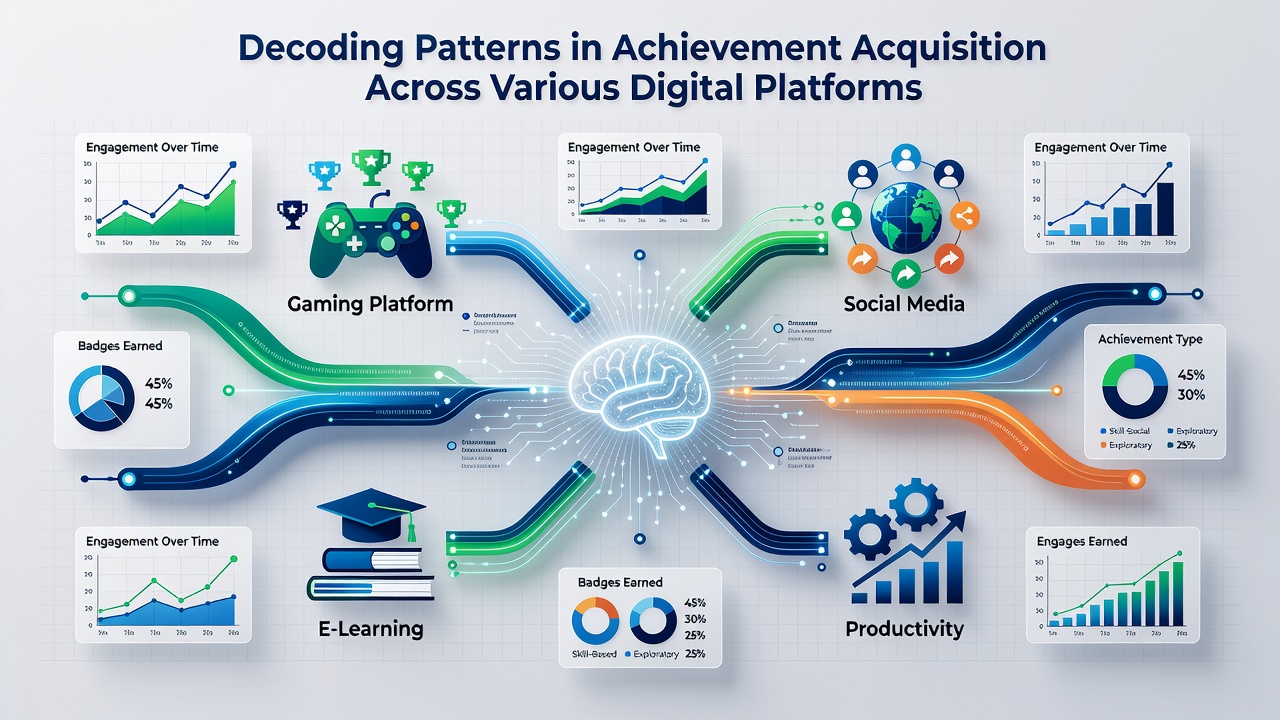
Digital platforms have developed intricate systems for tracking and rewarding user accomplishments, and researchers continue to examine how these mechanisms influence engagement across consoles, computers, and mobile devices. Data from industry reports reveal consistent trends in how players unlock achievements, with variations tied to platform design, game genre, and regional user bases.
Steam, PlayStation Network, and Xbox Live each maintain distinct frameworks for achievement acquisition. Steam emphasizes community-driven badges and trading cards that often accompany core game achievements, whereas PlayStation Network focuses on trophy tiers that range from bronze to platinum. Xbox Live integrates achievement points that contribute to overall gamer scores, and these differences shape acquisition rates according to platform-specific analytics.
Platform-Specific Acquisition Trends
Studies from the Entertainment Software Association indicate that achievement completion rates on PC platforms tend to cluster around social features, while console systems show higher percentages for single-player milestones. In July 2026 figures released by the Interactive Software Federation of Europe, mobile platforms recorded the fastest growth in micro-achievement systems, with users unlocking an average of 12 new items per month across casual titles.
Genre plays a measurable role in these patterns. Action and shooter games frequently feature combat-related achievements that players obtain through repeated sessions, whereas puzzle and strategy titles lean toward completionist rewards that require extended playtime. Observers note that multiplayer-focused achievements appear less frequently on mobile platforms compared with dedicated console ecosystems.
Data Patterns Across Regions
Geographic differences emerge when achievement data undergo cross-platform comparison. North American users display elevated rates for competitive leaderboards, while European and Asian markets show stronger engagement with narrative-driven accomplishments. Australian regulatory bodies have documented similar variances in their annual digital entertainment surveys, highlighting how cultural preferences align with specific achievement categories.
Time-based metrics provide additional insight. Achievement unlocks peak during evening hours across most platforms, yet mobile devices exhibit secondary spikes during commute periods. These temporal distributions remain consistent year over year, according to aggregated telemetry from major storefronts.
Technological Influences on Acquisition
Cloud integration and cross-save functionality have altered how achievements transfer between devices. Players who switch platforms mid-game often retain progress markers, which increases overall completion percentages. Research indicates that titles supporting seamless synchronization record 18 percent higher achievement rates than those limited to single-device tracking.
Developers increasingly incorporate adaptive difficulty systems that adjust achievement criteria based on player skill. This approach reduces frustration barriers and maintains engagement across broader audience segments. Case examples from major studios demonstrate that such features correlate with improved retention metrics through the first 30 days of release.
Future Trajectories Through Mid-2026
Emerging technologies such as augmented reality overlays continue to introduce new achievement layers that blend physical and digital actions. Early adoption data suggest these hybrid systems attract users who previously showed lower engagement with traditional achievement frameworks. Industry analysts project further expansion of these formats as hardware capabilities advance.
Privacy considerations also factor into ongoing platform updates. Several services have introduced granular controls that allow users to opt out of public achievement sharing while still tracking personal progress. These options address concerns raised in multiple regional studies without diminishing core functionality.
Conclusion
Achievement systems across digital platforms display measurable, recurring patterns shaped by design choices, regional preferences, and technological infrastructure. Continued monitoring through 2026 and beyond will clarify how these frameworks evolve alongside new hardware generations and shifting user expectations.