Charting Shifts in Entry-Level Esports Tactics via Decades of Archived Tournament Replays
Ben Klein · Jul 14, 2026
Charting Shifts in Entry-Level Esports Tactics via Decades of Archived Tournament Replays
Archival footage from the 1990s reveals how novice players approached competitive titles like Street Fighter II, where basic defensive positioning and simple combo execution formed the core of initial strategies, and these patterns appear consistently across Japanese arcade recordings from that era. Observers note that early competitors often relied on character-specific moves without deep adaptation, as match replays from events like the 1993 All Japan Championships demonstrate repeated use of predictable block strings and limited zoning techniques.
Transition From Arcades to Real-Time Strategy Titles
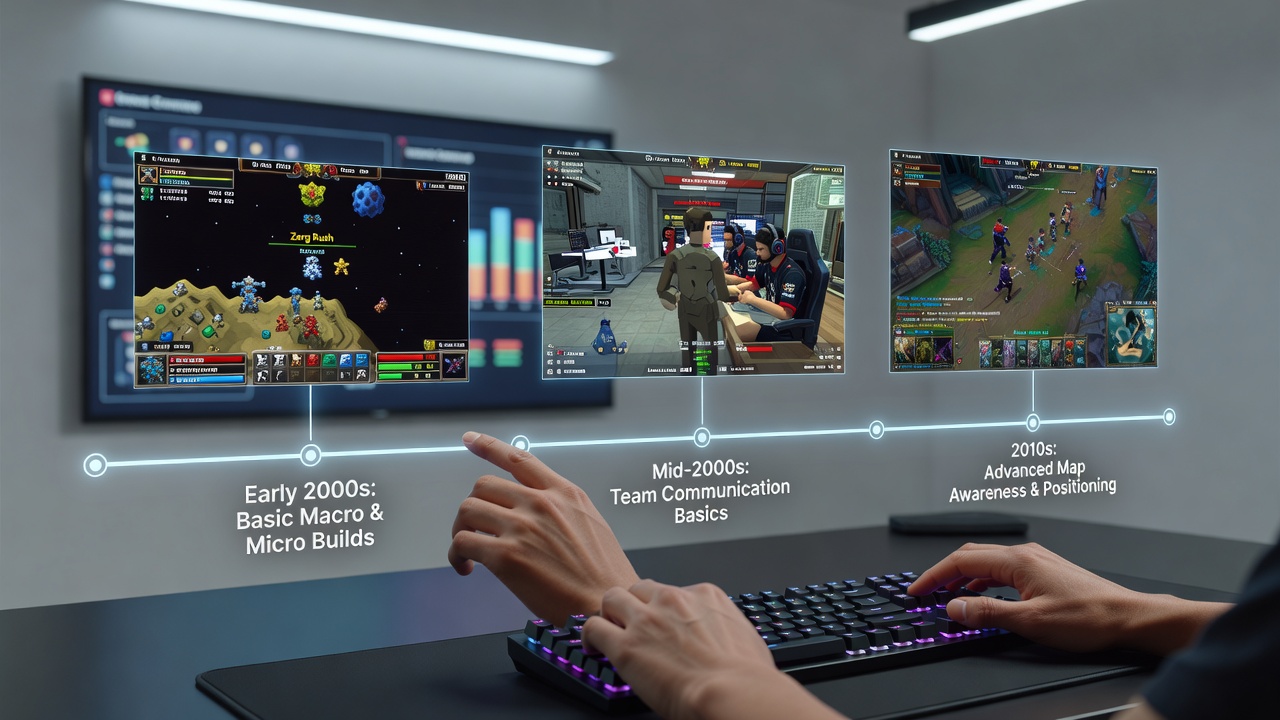
Footage from the late 1990s and early 2000s shows a clear progression when players moved into real-time strategy games such as StarCraft, where beginners focused on resource gathering efficiency and basic unit production queues rather than complex map control. Replays archived by Korean broadcasting networks highlight how new competitors learned to scout opponent bases early, yet they frequently overcommitted to one unit type without scouting adjustments. Data from tournament logs indicates that win rates for players employing adaptive build orders rose steadily between 1998 and 2003, reflecting gradual incorporation of counter-strategies drawn from repeated viewing of professional matches.
Analysts examining these recordings find that community resources like strategy guides emerged alongside the games themselves, helping newcomers identify common pitfalls such as supply blockages or inadequate expansion timing. Researchers at the University of Toronto documented this pattern in a 2023 review of digitized match archives, noting that accessibility of old footage accelerated the spread of foundational mechanics across regions.
Emergence of Team-Based Games and Coordinated Play
By the mid-2000s, multiplayer online battle arena titles began reshaping beginner approaches, as seen in footage from early Defense of the Ancients custom games. Novice participants concentrated on individual hero laning and basic item builds, while team coordination remained secondary until later matches demonstrated the value of map awareness and objective timing. Archived replays from international events illustrate how players started incorporating warding placements and rotation calls only after observing repeated losses in uncoordinated skirmishes.
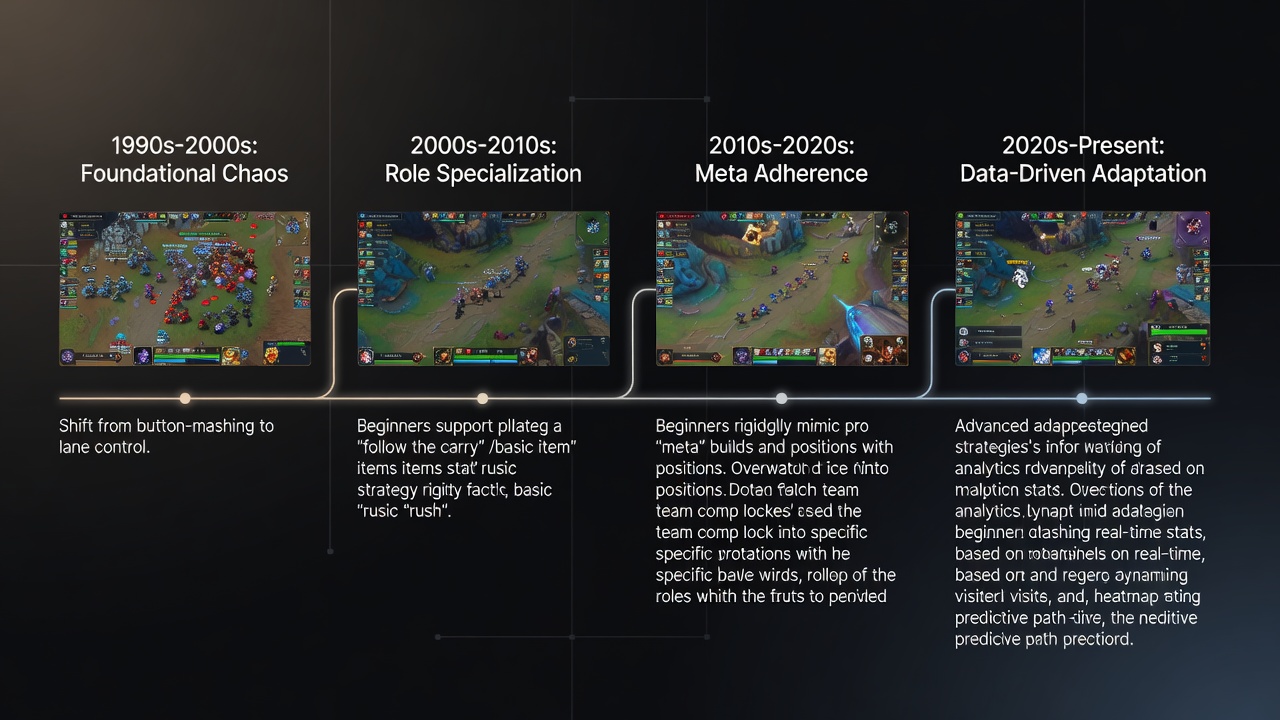
League of Legends tournament recordings from 2010 onward further document this evolution, with beginners initially prioritizing mechanical skill on single champions before expanding into macro-level decision making. Figures from the North American League Championship Series show that teams integrating early objective control into novice training regimens achieved higher placement consistency by 2015. What's interesting is how these shifts coincided with the rise of publicly available VOD libraries, allowing new players to study lane matchups and jungle pathing without direct coaching.
Modern Adaptations and Data-Driven Foundations
Contemporary archives from games like Valorant and Counter-Strike 2 reveal that current beginners emphasize crosshair placement and utility usage from their first matches, influenced by widespread access to professional demos. Training analyses conducted by the Esports Research Network in Canada indicate that players reviewing historical footage demonstrate faster improvement in decision latency compared to those relying solely on live practice. Preparations for major circuits scheduled through July 2026 continue to draw on these same archived materials, as coaches integrate older patterns into updated curricula for regional qualifiers.
European Esports Federation reports from 2024 highlight similar trends across multiple titles, where structured review of past matches correlates with reduced error rates in positioning among entry-level competitors. Observers note that geographic differences appear in footage, with North American players historically favoring aggressive early engagements while European and Asian regions show earlier adoption of defensive setups.
Conclusion
Archived match footage across three decades documents a consistent pattern where beginner strategies in esports have moved from isolated mechanical execution toward integrated systems thinking that incorporates scouting, objective management, and team synchronization. Studies and tournament records confirm that access to historical replays has played a measurable role in shortening the learning curve for new participants. As archives expand and analytical tools improve, these foundational shifts remain traceable through the same visual records that first captured them.