Community Modifications Extending the Reach of Classic PC Games
Ben Ludwig · Jun 25, 2026
Community Modifications Extending the Reach of Classic PC Games
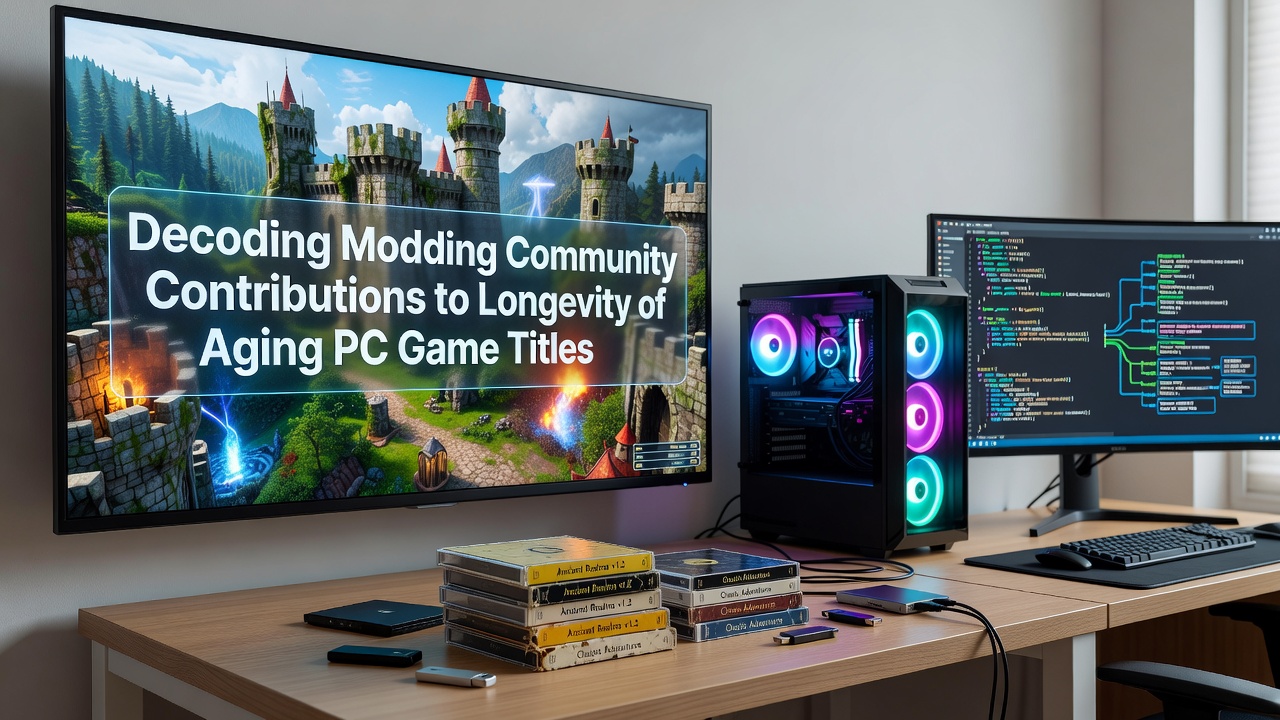
Modding communities have shaped the extended lifespan of many aging PC game titles through targeted contributions that range from bug fixes to entirely new content layers, and observers note these efforts continue without interruption as of June 2026. Researchers track patterns where volunteer groups apply patches, overhaul graphics engines, and integrate multiplayer features long after official support ends, which keeps player bases active across decades rather than fading within a few years of release. Data shows titles such as older entries in the Elder Scrolls series maintain concurrent user numbers on platforms like Steam because community patches address compatibility with modern hardware while preserving original mechanics.
Core Functions Performed by Modding Groups
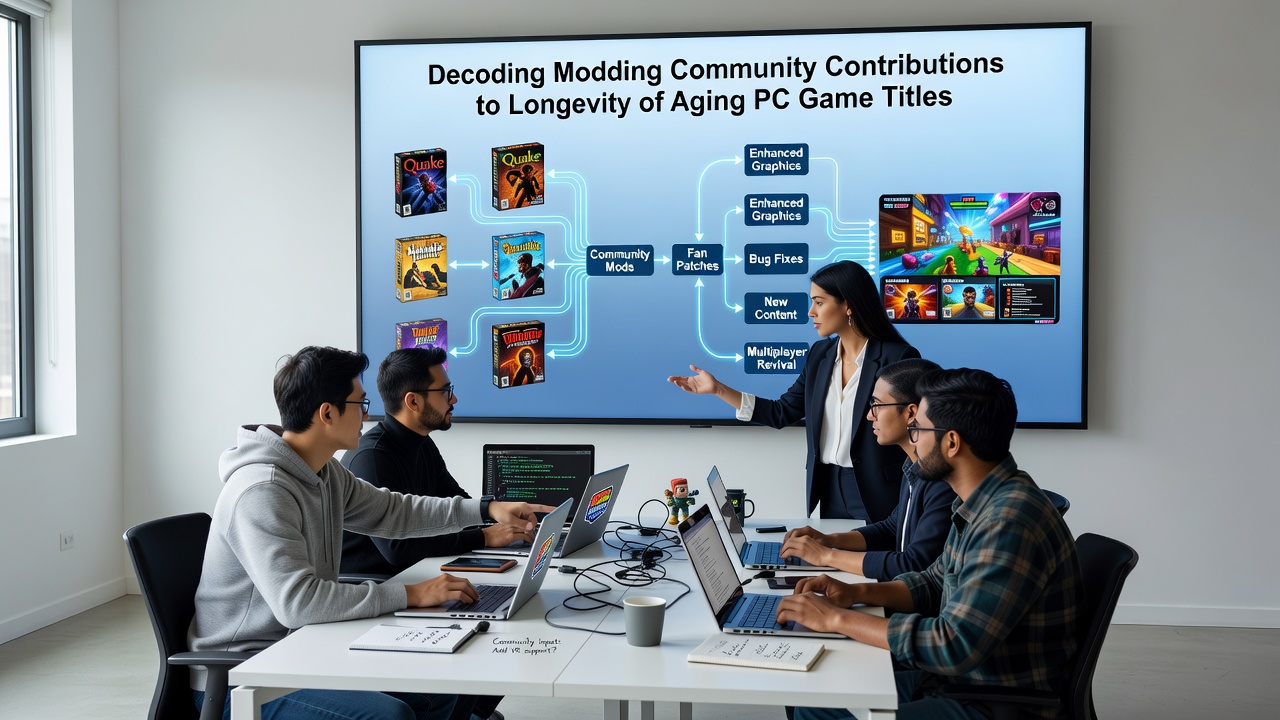
Modders identify stability issues that developers left unresolved at launch, then release updates that restore functionality on current operating systems, and this process often begins within months of a game's initial release. Graphics enhancements follow next, with texture replacements and shader adjustments that align older visuals to contemporary display standards without altering core gameplay loops. Those who've studied these patterns find that balance adjustments, new quests, and character customizations emerge as communities expand, which broadens appeal to both veteran players and newcomers who encounter the title years later.
Tools and Platforms That Enable Distribution
Central repositories such as Nexus Mods host millions of files and track download statistics that indicate sustained interest in legacy titles, while forums and Discord servers coordinate collaborative projects across time zones. Version control systems allow multiple contributors to iterate on the same modification package, and automated tools scan for conflicts before uploads occur. These infrastructures reduce barriers for participation so that individuals with specialized skills in scripting or art can focus on narrow tasks while others handle testing and documentation.
Evidence from industry reports highlights how these networks operate independently of publisher involvement yet produce measurable effects on player retention. One study conducted by the Entertainment Software Association documented increased engagement metrics for titles that received substantial community updates compared with similar games lacking such activity. Turnout at modding events and collaborative challenges spikes during anniversary periods, which generates fresh content waves that reintroduce older titles to new audiences through streaming platforms and social media shares.
Documented Cases Across Multiple Genres
Real-time strategy titles from the late 1990s received community balance patches that corrected unit interactions and added new factions, which extended competitive scenes into organized tournaments held online. Role-playing games accumulated thousands of hours of additional narrative content through voice-acted quests and world expansions that integrate seamlessly with existing save files. Simulation genres saw physics and economic models refined by modders who analyzed original code to create consistent extensions rather than replacements.
Figures from the Interactive Games and Entertainment Association in Australia reveal regional differences in mod adoption rates, with higher participation in markets where hardware upgrade cycles run longer and players retain older machines for extended periods. These variations produce localized mod libraries that address specific language support or regional hardware quirks, which broadens global accessibility without requiring official localization efforts.
Measurement of Longevity Impacts
Player activity logs analyzed by academic researchers demonstrate that modded versions of classic titles sustain monthly active users at levels comparable to some newer releases in the same genre, and this pattern holds when official patches cease after two or three years. Revenue models shift accordingly as digital storefronts continue selling base games to users who then seek community enhancements, which creates ongoing distribution channels years after initial sales peaks. Observers note that preservation initiatives often intersect with modding when groups archive original assets alongside modified versions to maintain historical accuracy.
Conflicts occasionally arise when mod content overlaps with trademarked elements, yet most projects operate under clear usage guidelines that limit distribution to non-commercial channels. Legal frameworks in various jurisdictions accommodate these activities provided they do not replicate protected code segments, which allows communities to focus on creative additions instead of legal navigation.
Conclusion
Modding contributions accumulate across technical, creative, and social dimensions to sustain engagement with aging PC game titles, and records indicate these activities show no signs of slowing as hardware and player expectations evolve. Community structures adapt through new tools and coordination methods that maintain momentum, while data collected by regional associations continues to document retention benefits that extend well beyond original development cycles.