Community Patches: Keeping Niche Multiplayer Games Thriving
Lars Sullivan · Jun 2, 2026
Community Patches: Keeping Niche Multiplayer Games Thriving
Community-driven patches have emerged as a key mechanism for extending the lifespan of niche multiplayer games that might otherwise fade into obscurity once official support ends. These player-created modifications address bugs, balance issues, and compatibility problems that developers no longer fix, allowing servers to remain operational and populations to stay engaged over extended periods. Observers note that such efforts often begin when small groups of dedicated users reverse-engineer game code to implement fixes that restore functionality after official shutdowns.
Data from various gaming archives shows that titles with active patch communities frequently maintain player bases years beyond their commercial peak. Researchers have tracked patterns where these updates incorporate new content or security enhancements that prevent exploitation, thereby preserving fair play environments. The process typically involves version control systems and public repositories where contributors submit code changes for review before integration into stable releases.
Mechanics Behind Community Patch Development
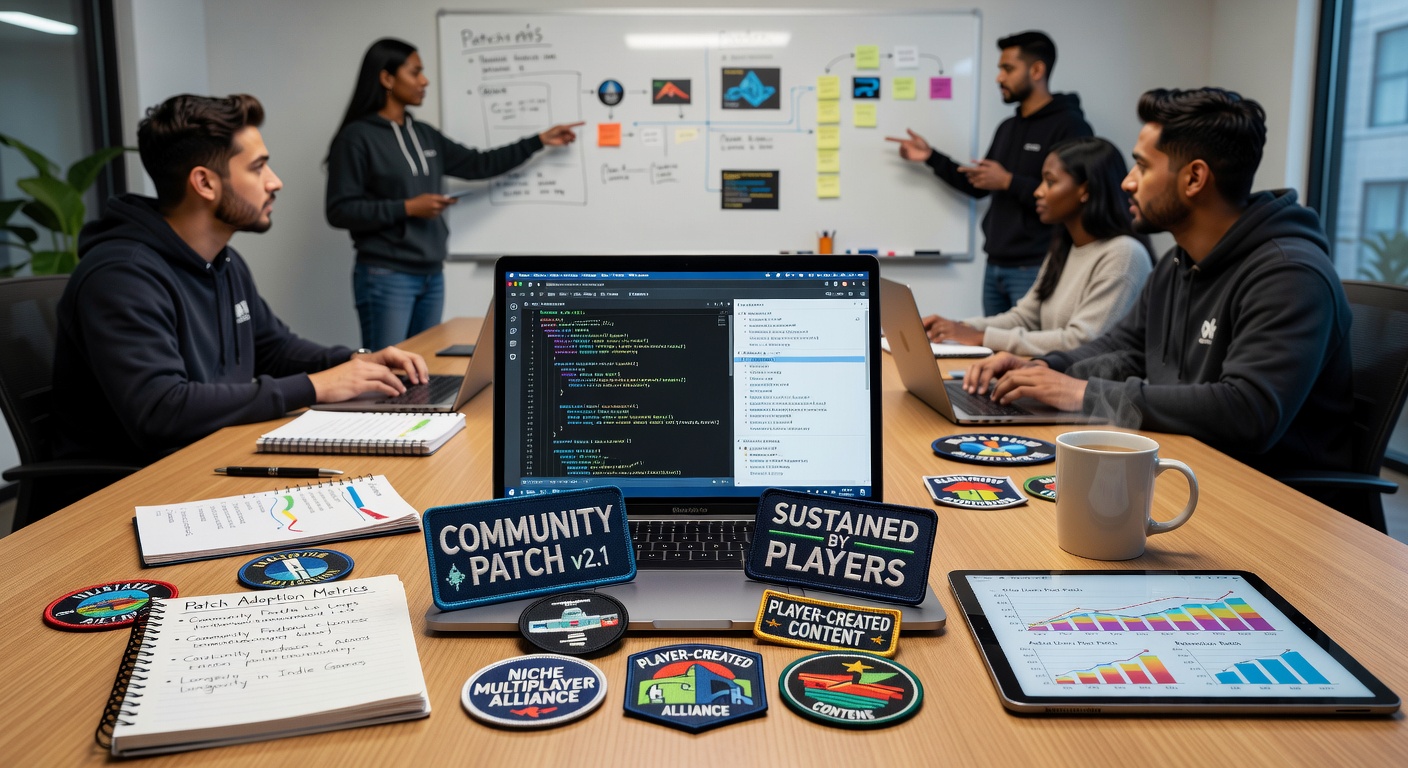
Development of these patches follows structured workflows that mirror professional software practices even though participants operate on a volunteer basis. Contributors first identify issues through extensive testing sessions, then document them in shared forums before proposing solutions that others can evaluate and refine. Coordination happens across time zones with tools that track changes and resolve conflicts in real time, ensuring that updates remain consistent across different server implementations.
Those who've examined the process point out that security considerations receive particular attention because unpatched vulnerabilities can lead to server compromises that disrupt entire communities. Patches often include encryption updates and anti-cheat measures derived from analysis of existing exploits. This ongoing maintenance requires continuous monitoring as new threats emerge, and teams allocate resources accordingly to prioritize the most critical fixes.
Case Studies of Sustained Communities
One prominent example involves a long-running space simulation game whose official servers closed in 2018 yet continues to host thousands of concurrent players thanks to iterative community patches. Developers of these updates have introduced cross-platform compatibility layers that allow modern hardware to connect seamlessly while preserving original gameplay mechanics. Similar patterns appear in older strategy titles where balance adjustments prevent dominant strategies from overshadowing other playstyles.
Another instance centers on a racing game community that released a comprehensive patch series addressing physics inconsistencies reported by players in remote regions. These changes incorporated feedback from international user groups and resulted in more stable online sessions. Figures reveal that participation in such projects often peaks during periods of renewed interest triggered by social media discussions or content creator coverage.
Impact on Player Retention and Engagement
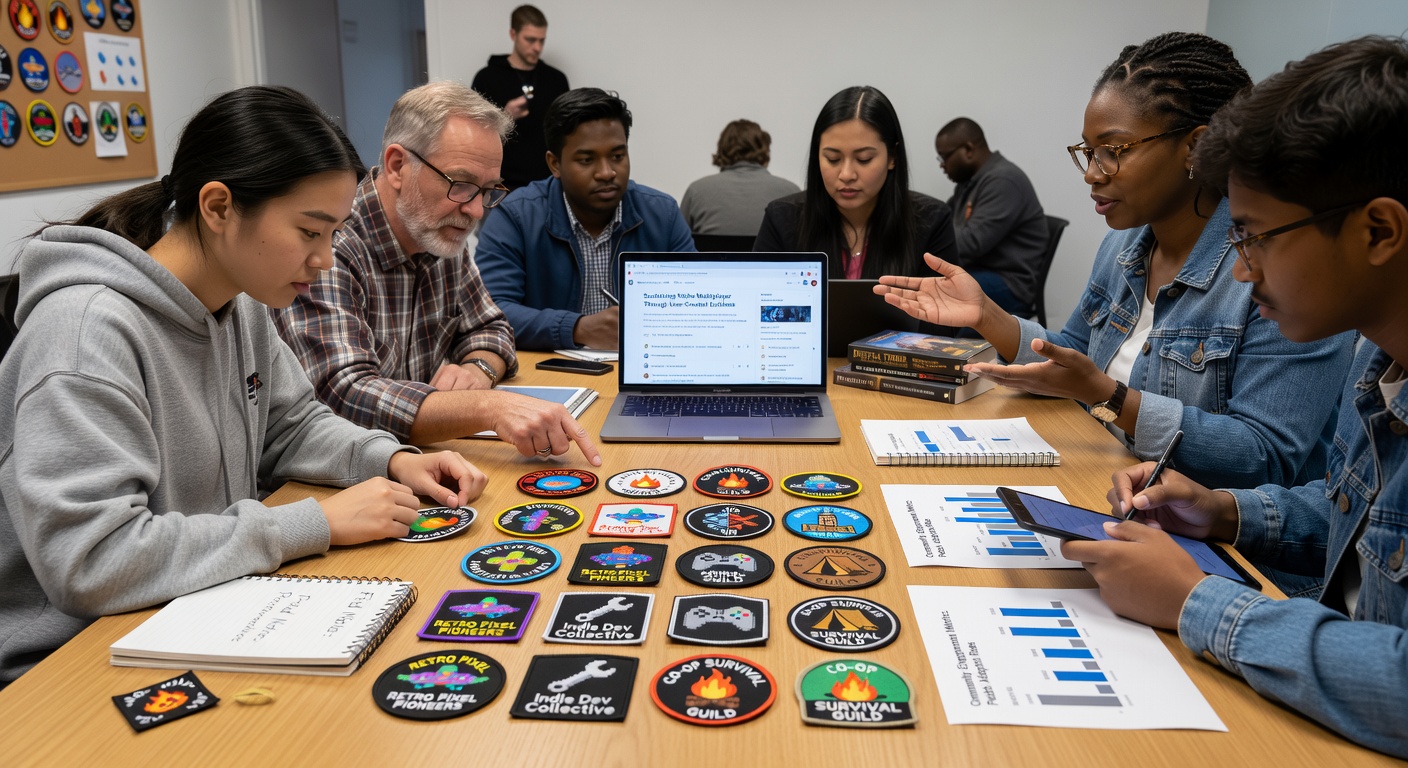
Retention metrics collected by independent analysts indicate that games supported by active patch teams experience slower declines in active users compared to unsupported counterparts. Communities benefit because patches can introduce quality-of-life improvements such as better matchmaking algorithms or reduced latency through optimized networking code. These enhancements make repeated play sessions more enjoyable and encourage long-term involvement from core members who then mentor newcomers.
What's interesting is how these efforts also foster knowledge transfer between generations of players. Experienced coders document their methods in accessible guides that lower barriers for future contributors. This creates self-sustaining cycles where new participants quickly contribute meaningful updates, expanding the scope of what communities can achieve without external funding.
Challenges and Evolving Practices
Legal considerations present ongoing hurdles because some game publishers retain rights that restrict distribution of modified files. Communities navigate this by focusing on server-side implementations that require users to own original copies rather than redistributing full game assets. Technical obstacles include maintaining compatibility across operating system updates that alter underlying libraries used by older titles.
As of June 2026 several projects have adopted automated testing frameworks that simulate large-scale multiplayer scenarios to catch regressions before release. These tools reduce the time between identifying an issue and deploying a solution, which helps maintain momentum in volunteer-driven groups. Industry organizations such as the International Game Developers Association have noted similar approaches in reports on grassroots development practices.
Future Directions for Community Support
Emerging trends point toward greater integration with cloud-based infrastructure that simplifies hosting for smaller teams. Research from academic institutions in Canada and Australia highlights how machine learning can assist in identifying balance problems within patch cycles. Such advancements allow communities to scale their efforts while preserving the collaborative spirit that defines these projects.
Continued evolution depends on maintaining open communication channels between different regional groups that contribute unique perspectives on gameplay preferences. This diversity strengthens the overall resilience of niche multiplayer ecosystems against external pressures like hardware obsolescence or shifting player demographics.
Conclusion
Community-driven patches represent a practical response to the challenges of sustaining niche multiplayer environments after official support concludes. Through systematic development practices and international collaboration these efforts deliver measurable benefits in player retention and technical stability. Ongoing innovations in tools and methodologies suggest that such communities will continue adapting to new circumstances while preserving the core experiences that originally attracted their members.