Decoding Team Coordination Patterns in Squad-Based Battle Arenas: Lessons from Professional Circuits
Zara Roth · Jun 4, 2026
Decoding Team Coordination Patterns in Squad-Based Battle Arenas: Lessons from Professional Circuits
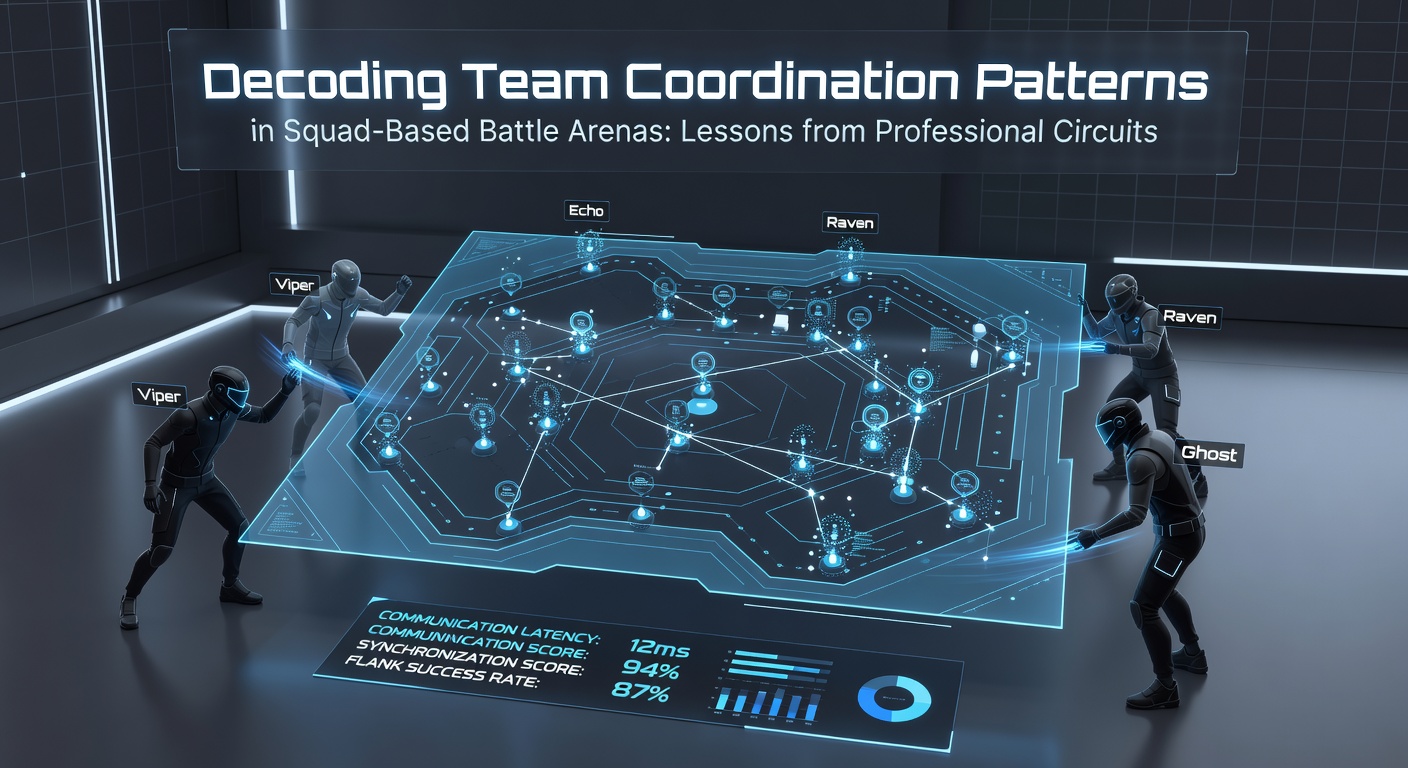
Team coordination in squad-based battle arenas has evolved into a measurable discipline across professional circuits where data from tournaments in 2025 and early 2026 shows consistent patterns in communication timing and role synchronization, and researchers from institutions such as the University of Waterloo in Canada have documented how these patterns correlate with match outcomes in games like League of Legends and Dota 2. Observers note that squads which maintain structured information loops during the laning phase achieve higher objective control rates, while those relying on reactive calls often face delays that compound under pressure from opposing teams.
Core Elements of Squad Coordination
Professional analysts break down coordination into distinct layers that include pre-match strategy mapping, in-game resource allocation, and post-fight regroup protocols, and evidence from the 2026 Mid-Season Invitational reveals squads averaging 2.4 seconds between key callouts maintain tighter formations than those exceeding 4 seconds. Data indicates that vision control serves as the foundation because teams that rotate wards in overlapping patterns reduce enemy information advantages, whereas fragmented vision setups lead to isolated engagements that professional coaches have identified as a primary cause of early game deficits.
Communication Structures in High-Level Play
Teams in circuits such as the LCK and LPL employ layered call systems where one player handles macro objectives while others report micro details like cooldowns and positioning, and studies from the Australian Esports Institute highlight how this division prevents overload during chaotic mid-game skirmishes. Squads that integrate non-verbal signals through pings and movement patterns supplement voice comms effectively, creating redundancy that sustains coordination even when audio channels face interference or when players must focus on mechanical execution.
Patterns Observed in Professional Matches
Analysis of VCT Americas matches from June 2026 demonstrates that winning squads execute synchronized utility usage 78 percent of the time during site executes, compared to 51 percent for losing teams, and this gap widens in overtime rounds where fatigue amplifies small timing discrepancies. Experts tracking these events point to role-specific timing windows, such as initiators leading with crowd control exactly 0.8 seconds before duelists commit, as a repeatable template that multiple organizations have adopted after reviewing frame data from past tournaments.
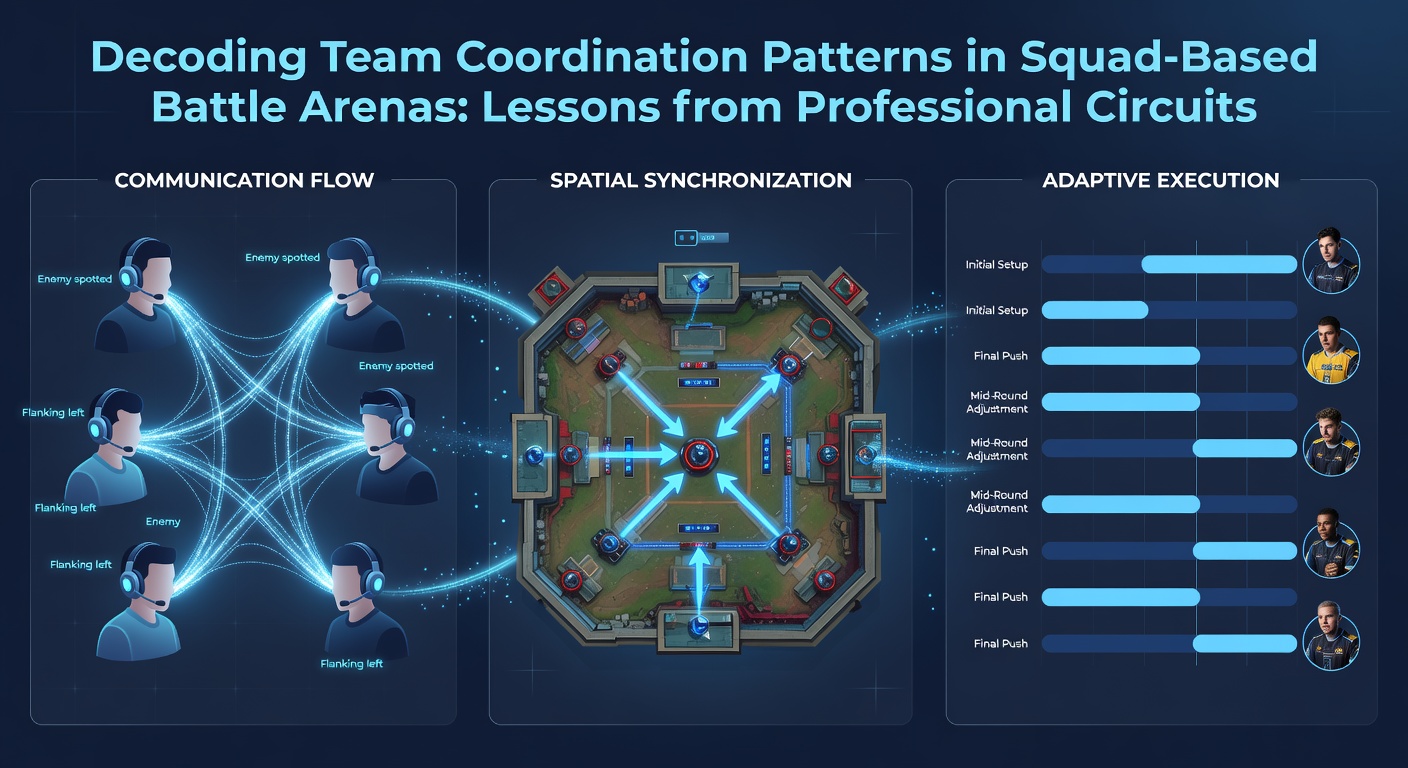
What's interesting is how map-specific adaptations emerge, with teams adjusting rotation speeds based on objective spawn timers and enemy draft compositions, and one case study from European tournament data showed that squads practicing adaptive pathing reduced average death timers by 12 seconds per game. Those who've studied this know that psychological factors also influence execution because squads maintaining calm vocal tones during losing streaks recover coordination faster than those exhibiting rising volume or interruptions.
Lessons Applied Across Circuits
Coaching staffs translate these patterns into training modules that simulate high-pressure scenarios using replay review and AI-assisted tagging of coordination failures, and figures from the Esports Integrity Commission indicate growing adoption of such tools among mid-tier organizations seeking to close gaps with established powerhouses. But here's the thing: regional differences persist, with Asian circuits favoring dense information sharing while Western teams often prioritize concise directives that leave room for individual decision-making within the broader plan.
Turns out that cross-training between roles strengthens overall squad resilience because players who understand adjacent responsibilities can fill gaps during unexpected substitutions or technical issues. Research from the Korea Esports Association supports this approach, showing measurable improvements in win rates after implementing mandatory role-swap drills during off-season preparation periods.
Conclusion
Professional circuits continue to refine coordination frameworks through ongoing data collection and competitive iteration, and squads that internalize these documented patterns gain repeatable edges in execution and adaptability. Observers expect further integration of biometric feedback and predictive analytics in the coming seasons as organizations seek additional layers of optimization beyond current communication and positioning standards.