Economic Strategies Employed in Multiplayer Survival Gaming Worlds
Lars Sullivan · Jun 20, 2026
Economic Strategies Employed in Multiplayer Survival Gaming Worlds
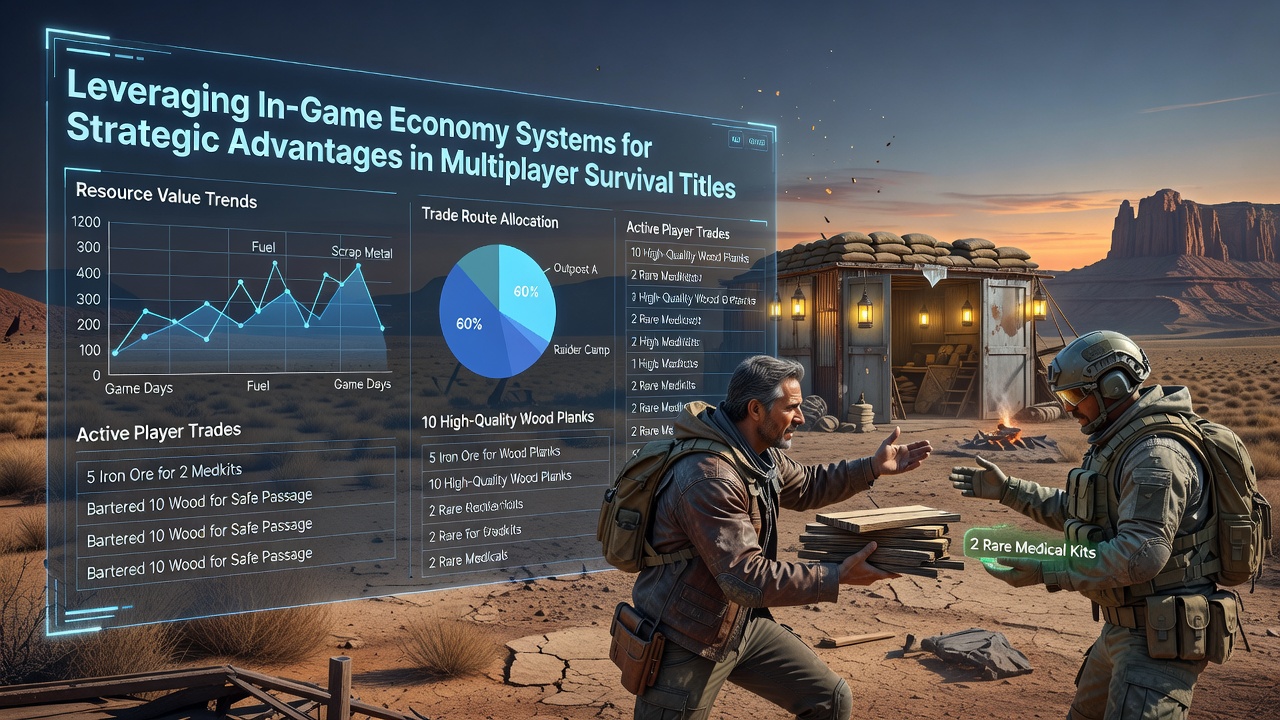
Multiplayer survival titles feature complex in-game economies where players gather, trade, and allocate resources to gain advantages over others, and these systems often determine long-term success in competitive environments. Observers note that resource scarcity drives much of the interaction while player-to-player exchanges create dynamic markets that evolve based on supply and demand patterns.
Games such as Rust and DayZ illustrate how crafting components, food supplies, and building materials form the backbone of these economies, with data showing that efficient traders accumulate advantages through repeated transactions. Researchers have documented cases where groups coordinate bulk trades to control key item availability, which alters the balance for solo participants and smaller teams alike.
Core Mechanics of Resource Circulation
Survival titles typically implement layered systems where raw materials convert into usable goods through crafting stations, and these conversions create value chains that players exploit for profit. One might notice that early-game items like basic tools hold high demand during initial server wipes, whereas late-game components such as advanced electronics command premium prices once infrastructure stabilizes.
Market fluctuations occur naturally as player populations shift, with evidence from server logs indicating peak trading activity during evening hours across multiple time zones. Those who've studied these patterns find that establishing consistent trade routes between resource nodes reduces travel time and increases overall throughput for participating groups.
Group Coordination and Market Control
Larger alliances frequently pool resources to dominate specific item categories, and this concentration allows them to set prices that smaller entities must accept or circumvent through alternative gathering methods. Studies from academic institutions have examined how information asymmetry plays a role, where groups with superior knowledge of spawn locations maintain edges in negotiation.
Barter systems coexist alongside currency mechanics in many titles, while some servers introduce player-created tokens that function as informal money. According to reports from the Entertainment Software Association, player engagement metrics rise when economies include both direct trades and auction-style listings that facilitate broader participation.
Technology Integration and Tracking Tools
External applications and in-game interfaces help players monitor prices across multiple locations, and these tools streamline decisions about when to sell stockpiles versus when to hold for anticipated shortages. Data indicates that servers with active trading communities experience higher retention rates because participants invest time in building economic relationships alongside combat skills.
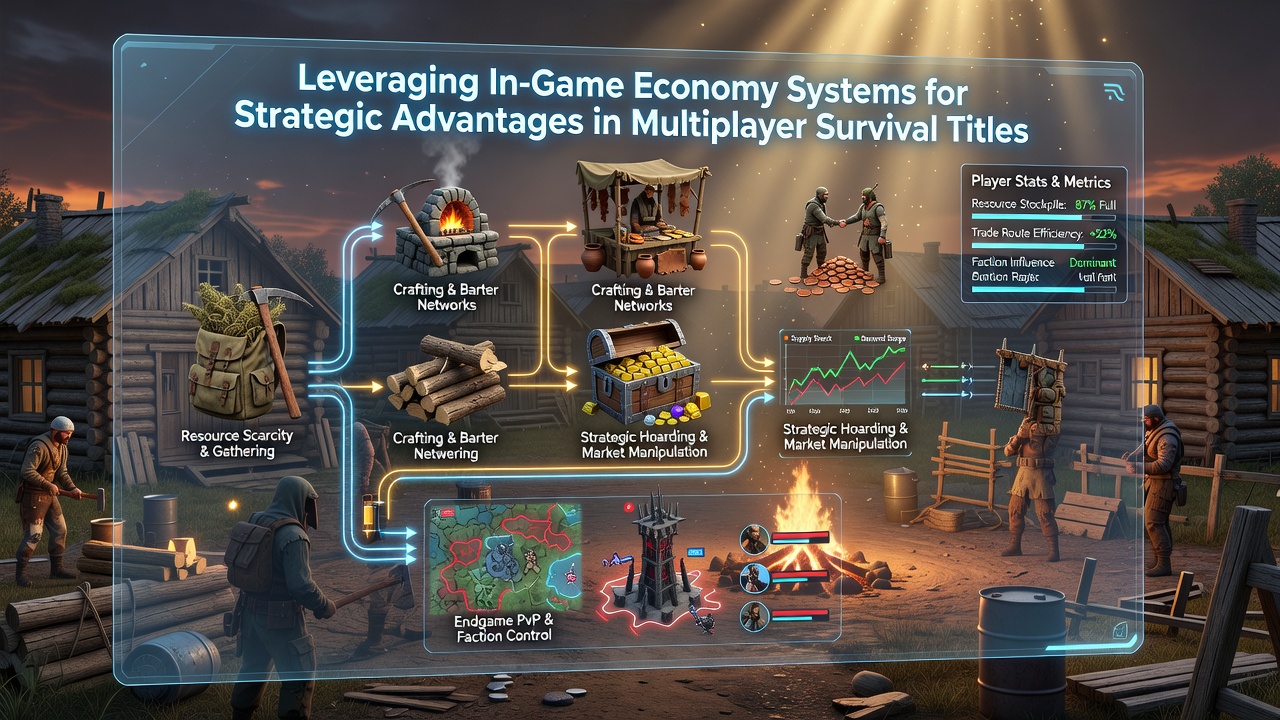
June 2026 updates in several ongoing titles introduced refined tracking APIs that integrate with third-party analytics platforms, allowing communities to generate real-time heatmaps of resource distribution. These enhancements build on existing systems and provide clearer visibility into emerging shortages before they impact larger populations.
Risk Factors in Economic Play
Betrayal during trades and server-enforced wipes represent ongoing challenges that force participants to diversify holdings across multiple bases and allies. Evidence suggests that players who maintain redundant supply caches recover faster from losses compared to those who concentrate assets in single locations.
Regulatory discussions around virtual item exchanges have surfaced in various regions, with Canadian industry groups highlighting the need for clear server rules that prevent exploitation without stifling player creativity. Such frameworks influence how developers design future economy layers to balance accessibility and depth.
Long-Term Implications for Player Retention
Economies that reward consistent participation encourage repeat logins because individuals see tangible progress through accumulated wealth and reputation. Research indicates that titles incorporating feedback loops between economic activity and combat effectiveness sustain interest over extended periods, as measured by average session durations reported in industry analyses.
Those monitoring server populations observe that vibrant markets correlate with increased new player onboarding, since newcomers quickly locate trade partners willing to exchange starter resources for labor or information.
Conclusion
Effective navigation of in-game economies in multiplayer survival titles hinges on understanding resource flows, timing transactions, and building reliable networks that adapt to shifting conditions. Continued evolution of these systems through developer updates and community practices shapes how advantages accumulate and transfer among participants over time.