From Casual Cheats to Esports Edge: The Transformation of Gaming Assistance Tools
Zara Roth · Jul 23, 2026
From Casual Cheats to Esports Edge: The Transformation of Gaming Assistance Tools
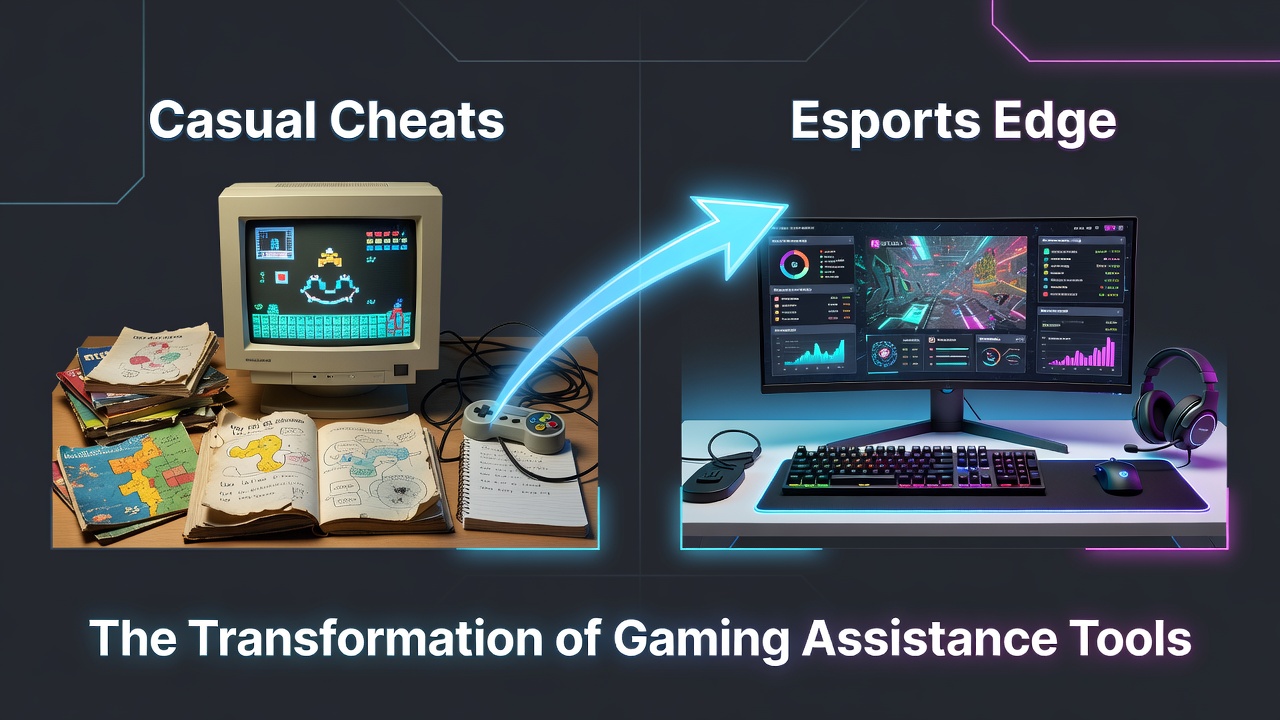
Video game assistance tools have shifted from simple cheat codes that players activated with button sequences during the 1980s and 1990s to sophisticated software platforms used in professional esports competitions today. This evolution reflects broader changes in technology, competitive structures, and regulatory frameworks that govern digital entertainment across multiple regions.
Developers originally built cheat codes into games as testing mechanisms that later became accessible features for the general public through publications like Nintendo Power magazine. These tools allowed players to unlock levels, gain unlimited resources, or bypass difficult sections without altering core game files. As online multiplayer expanded in the early 2000s, unauthorized modifications such as aim bots and wall hacks emerged, prompting companies to develop detection systems that scanned for irregular player behavior patterns.
Early Forms of Gaming Assistance
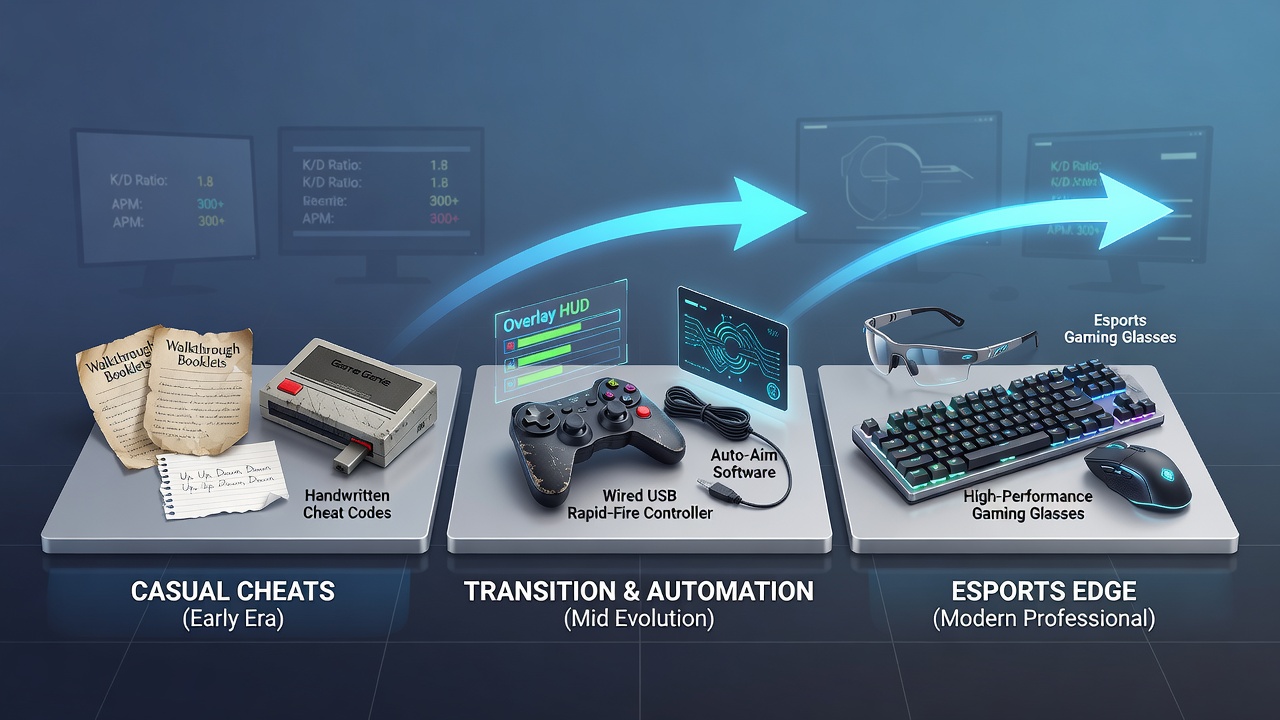
Hardware devices like GameShark and Action Replay cartridges provided external memory editing capabilities during the PlayStation and Nintendo 64 eras. These tools operated through physical connections that injected new data into game cartridges or discs. Researchers documented widespread use of such devices in single-player contexts where competition remained absent. Data from industry archives shows that sales of these cartridges peaked before widespread internet connectivity enabled real-time multiplayer verification.
Communities shared codes through printed magazines and early bulletin board systems. Players exchanged sequences that modified variables such as health points or ammunition counts. Studies from academic institutions in North America recorded how these practices stayed largely isolated to offline environments until broadband adoption accelerated after 2005.
The Rise of Esports and Professional Tools
Esports organizations formalized training regimens that required legal performance enhancement software once prize pools exceeded several million dollars in major tournaments. Programs like aim trainers and replay analyzers replaced earlier unauthorized scripts. These applications focus on measurable skills such as reaction time and decision accuracy while operating within game developer guidelines.
Teams in regions including the United States, South Korea, and parts of Europe adopted analytics platforms that track in-game metrics during practice sessions. Figures from the Entertainment Software Association reveal that organized competitive gaming generated over 1.8 billion dollars in revenue by 2025, creating demand for tools that comply with tournament rules rather than circumvent them. Entertainment Software Association reports detail how official partnerships between game publishers and training software developers increased after 2018.
Regulatory Developments and Detection Systems
Government agencies and industry groups established frameworks to distinguish between permitted assistance and prohibited manipulation. In Canada the Canadian Centre for Ethics in Sport issued guidelines on digital competition integrity in 2023. Australian authorities through the Office of teh eSafety Commissioner addressed similar issues by 2024. These bodies emphasized transparency requirements for any software that interfaces with competitive titles.
Anti-cheat engines such as Easy Anti-Cheat and BattlEye deploy kernel-level monitoring combined with machine learning models that identify anomalous input patterns. Data collected by these systems indicates a reduction in detected violations during ranked matches between 2020 and 2025. Tournament organizers now require players to submit device configurations before events, a practice that became standard across major leagues by July 2026.
Current Landscape of Assistance Technologies
Modern tools include overlay applications that display statistical breakdowns without interfering with gameplay mechanics. University studies from institutions in Germany and Singapore have examined how these interfaces affect cognitive load during extended sessions. Results show measurable improvements in strategic planning when players review post-match data through approved platforms.
Hardware manufacturers produce peripherals with customizable firmware that remains within manufacturer specifications. Professional players often use programmable mice and keyboards that store macros for repetitive actions, yet these devices undergo certification processes before use in sanctioned competitions. Industry reports from the International Game Developers Association highlight ongoing collaboration between hardware vendors and esports leagues to maintain equipment standards.
Conclusion
The progression from informal cheat codes to regulated esports assistance tools demonstrates how technological capabilities and competitive demands have aligned over several decades. Detection systems, regional regulations, and developer partnerships continue to shape the available options for both casual and professional participants. As of July 2026, the sector maintains distinct categories for entertainment-focused modifications and performance-oriented applications that operate under verified conditions.