Hardware Configurations Influencing Entry-Level Weapon Tactics in Competitive Esports
Ben Ludwig · Jul 16, 2026
Hardware Configurations Influencing Entry-Level Weapon Tactics in Competitive Esports
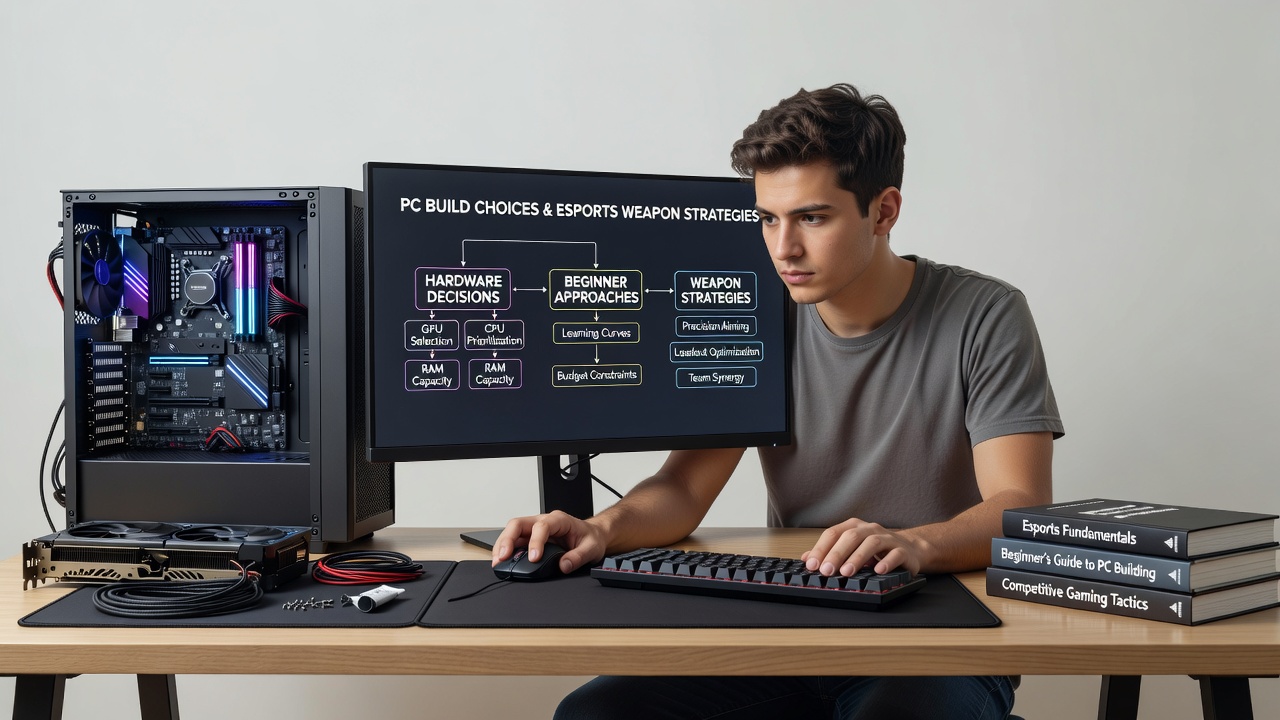
PC build decisions play a direct role in how beginners develop their approaches to weapon strategies within esports titles, and data from performance tracking platforms shows that hardware specifications often determine the pace at which new players master recoil patterns, spray control, and weapon selection timing. Those who assemble rigs with balanced components frequently report smoother frame rates that support consistent visual feedback during practice sessions, while mismatched parts can introduce input lag or stuttering that disrupts the learning of precise aiming mechanics. Observers note that entry-level competitors who prioritize certain upgrades over others tend to adapt their in-game tactics around the capabilities of their systems rather than pure game knowledge alone.
Processor and Core Count Effects on Strategy Execution
Central processing units with higher core counts and clock speeds enable beginners to run background applications such as overlay tools, stat trackers, and video analysis software without sacrificing in-game performance, and studies from university gaming labs indicate that this multitasking capacity correlates with faster iteration on weapon handling drills. Players who select mid-range processors from recent generations often maintain stable frame delivery during complex scenarios involving multiple enemies and dynamic movement, whereas lower-tier chips may force simplified practice routines that limit exposure to advanced spray patterns. Data collected across regional tournaments reveals that those configuring their builds around Intel or AMD options with strong single-thread performance see quicker adaptation to high-recoil weapons like assault rifles in titles that reward consistent tracking.
Graphics Hardware and Visual Clarity for Weapon Control
Graphics cards capable of sustaining high frame rates above 144 FPS provide clearer motion rendering that helps newcomers distinguish enemy positions and learn optimal engagement distances for different firearms, while integrated graphics or older discrete units often cap performance at levels that obscure fine details during rapid fire sequences. Research published by European academic institutions on esports training environments demonstrates that GPU upgrades lead to measurable improvements in accuracy metrics when participants practice weapon switching and burst firing, because reduced screen tearing allows better anticipation of recoil recovery windows. Beginners assembling systems with current-generation cards from major manufacturers frequently adjust their loadouts toward weapons requiring pixel-perfect placement, since the hardware supports the visual precision needed to execute those strategies effectively.
Memory Capacity and Storage Speed in Training Routines
System memory configurations of 16GB or higher paired with fast SSD storage allow seamless loading of large replay files and multiple browser tabs filled with strategy guides, and figures from Canadian industry reports show that such setups reduce downtime between practice matches so that weapon familiarization cycles become more frequent. Those who equip their builds with slower mechanical drives or minimal RAM allocations encounter longer load times that interrupt momentum when reviewing kill cams or testing different attachments, which in turn shapes a more cautious approach to experimenting with situational weapon choices. Observers in Australian esports communities have documented cases where memory upgrades alone enabled beginners to maintain focus across extended sessions dedicated to mastering niche sidearms and utility weapons.
Peripheral Integration and Input Responsiveness
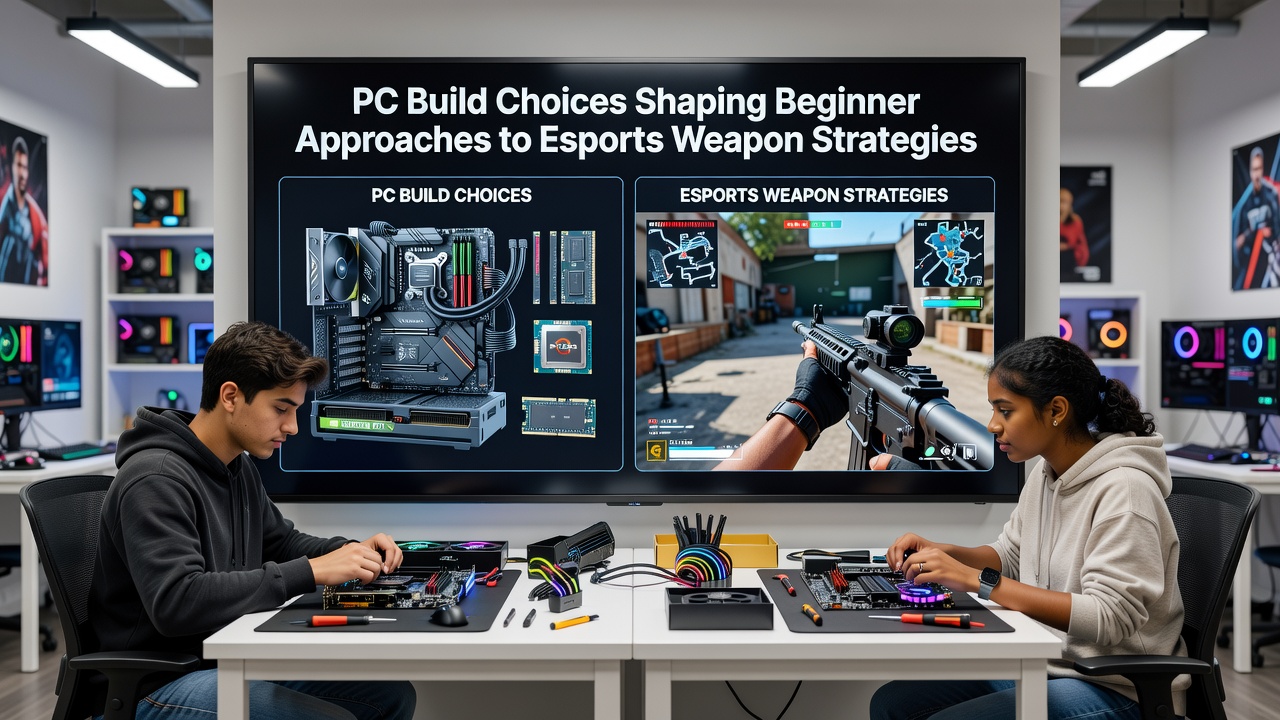
Monitors with high refresh rates combined with low-latency peripherals form another layer of the build that influences how novices internalize timing for weapon draws and peeks, since smoother cursor movement translates directly into more reliable crosshair placement during duels. Industry data compiled by North American trade associations highlights that players pairing their PCs with 240Hz or higher displays often shift toward aggressive weapon strategies earlier than those limited to 60Hz panels, because the hardware feedback loop reinforces successful engagements and encourages repeated attempts at complex maneuvers. Power supply units and cooling solutions that maintain stable operation under load prevent thermal throttling that could otherwise introduce unpredictable frame drops right when a beginner attempts to execute a full magazine spray in a competitive match.
Emerging Trends Observed in Mid-2026 Builds
By July 2026, adoption of next-generation components with improved ray tracing and AI upscaling features has begun altering how beginners approach visibility-dependent weapons, and reports from hardware certification bodies indicate that these technologies reduce the performance penalty associated with higher graphical settings that aid in spotting distant threats. Newcomers configuring rigs around these advancements frequently incorporate long-range rifles into their early strategies, since enhanced rendering clarity supports learning bullet drop and travel time mechanics without hardware-imposed limitations. Storage solutions incorporating faster PCIe standards further support this shift by accelerating asset streaming during large-scale matches where weapon variety increases.
Conclusion
Component selections made during PC assembly continue to guide the progression of weapon strategy development among esports beginners through direct impacts on frame stability, input timing, and multitasking capacity, and evidence from multiple regional sources confirms these patterns across different competitive titles. Those evaluating build options benefit from aligning hardware priorities with the specific mechanical demands of their target games, which produces more efficient learning paths over time.