Input Response Time Analysis for Fighting Games in Esports Settings
Ben Klein · Aug 1, 2026
Input Response Time Analysis for Fighting Games in Esports Settings
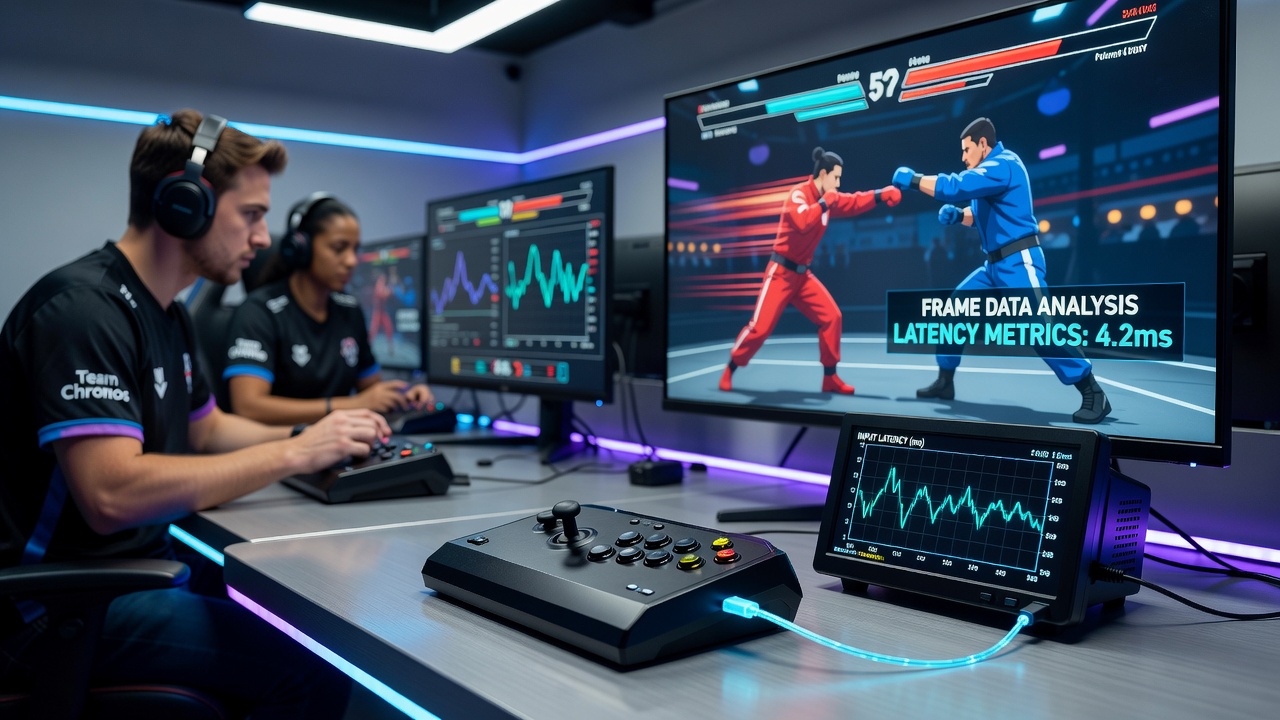
Input response time analysis examines the delays between player commands on controllers and their registration in fighting game systems, a factor that shapes competitive outcomes across major circuits. Researchers track these delays through specialized equipment that records button presses alongside frame data, allowing precise calculations of total system lag in milliseconds.
Studies conducted by academic teams reveal typical controller latency ranges from 4 to 12 milliseconds in wired setups, while wireless connections often add several more milliseconds due to transmission protocols. Data from tournament environments shows these variations become critical in games that operate at 60 frames per second, where each frame lasts approximately 16.67 milliseconds.
Measurement Protocols Used in Competitive Circuits
Technicians employ high-speed cameras and oscilloscopes to capture the exact moment a button activates and when the game engine processes it, creating detailed logs that organizers review before events. Multiple testing sessions occur at venues, with equipment calibrated against official tournament hardware to ensure consistency across regions.
Figures from recent circuit events indicate that standardized measurement tools help identify hardware combinations that exceed acceptable thresholds, prompting adjustments before matches begin. Observers note that protocols often include repeated trials under different network conditions to account for variables like venue interference or power fluctuations.
Effects on Player Performance and Match Results
Competitors adapt their timing windows based on known latency profiles for specific controllers, since even small increases can shift the success rate of frame-perfect combos and defensive reactions. Records from global leagues demonstrate that players using lower-latency devices maintain higher win rates in extended sets, particularly in titles requiring rapid inputs during combos or reversals.
Analysis of archived match footage paired with latency readings shows patterns where elevated delays correlate with increased whiff rates on attacks that demand precise startup frames. Circuit administrators compile these statistics to inform equipment regulations, ensuring fair play across participants who travel from different continents.
Regional Variations and Equipment Standards
Events held in North America frequently incorporate testing guidelines developed through collaborations with university labs, while Asian circuits emphasize manufacturer-certified controllers that undergo pre-event verification. Data compiled during the 2025 season highlighted differences in average latency between console platforms, with some models showing consistent advantages in wired configurations.
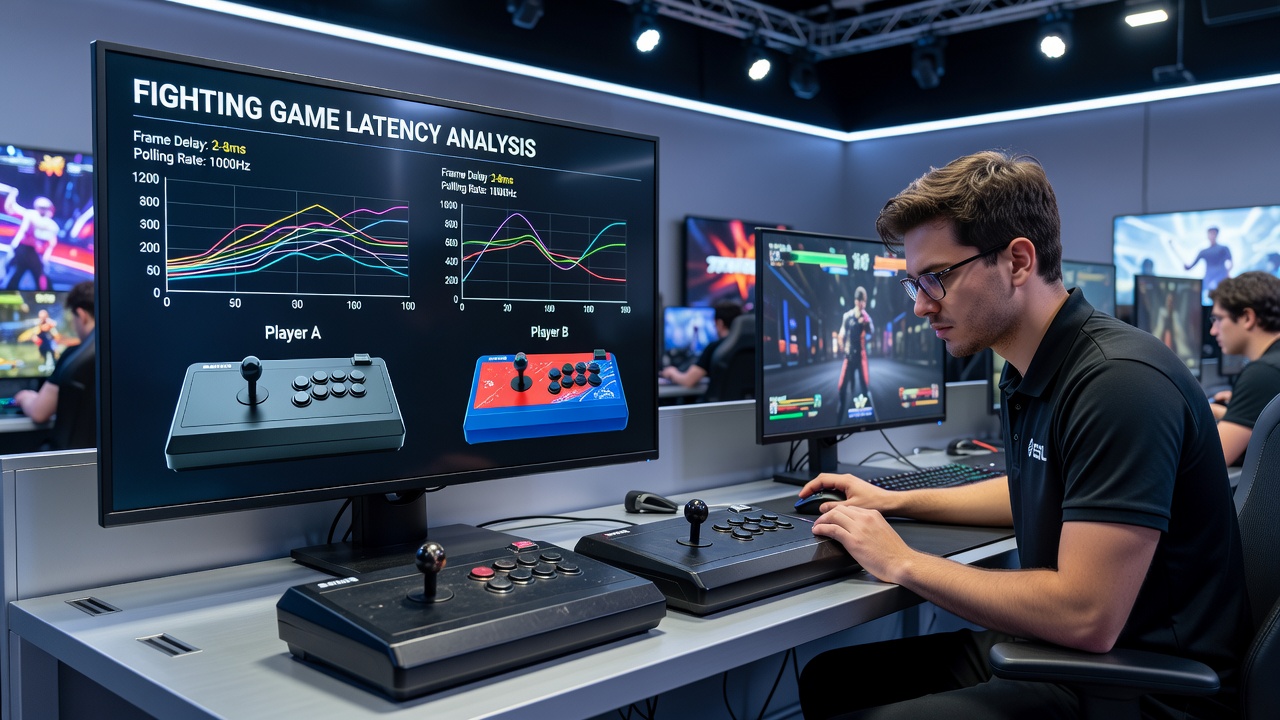
European organizers reference reports from technical institutes that outline acceptable latency bands for sanctioned competitions, integrating these into qualification requirements. Such standards help maintain parity when players switch between practice setups and official stages, reducing variables that could influence bracket outcomes.
Developments Observed in Mid-2026 Circuits
August 2026 tournaments featured expanded latency monitoring stations at major venues, where on-site teams used updated software to generate real-time reports during qualification rounds. These systems allowed quick identification of any controller that drifted outside established parameters, enabling swaps without delaying the schedule.
Records from these events indicate continued refinement of wireless protocols, with several manufacturers releasing firmware updates that reduced transmission overhead by measurable amounts. Analysts reviewing the data noted improvements in overall input consistency across both arcade stick and pad configurations used by top competitors.
Future Directions in Latency Research
Academic groups continue to explore correlations between controller hardware age and rising latency values, drawing from longitudinal studies that track equipment across multiple seasons. Industry groups such as those affiliated with game developer associations collaborate on shared databases that aggregate findings from diverse regions, supporting more uniform testing methodologies.
Additional investigations examine how display refresh rates interact with controller delays, since variable refresh technologies can either mitigate or compound total system response times depending on synchronization settings. Circuit participants review these combined metrics when selecting gear for upcoming qualification events.
Conclusion
Comprehensive analysis of controller input latency provides essential data that shapes equipment rules and player preparation strategies throughout fighting game esports. Ongoing measurements and regional standards contribute to consistent conditions that allow skill to determine results rather than hardware discrepancies. Continued refinement of testing tools and protocols supports the growth of these circuits into 2026 and beyond.