Layered Narratives Revealed Through Collectible Hunts in Expansive Game Worlds
Ben Klein · May 19, 2026
Layered Narratives Revealed Through Collectible Hunts in Expansive Game Worlds
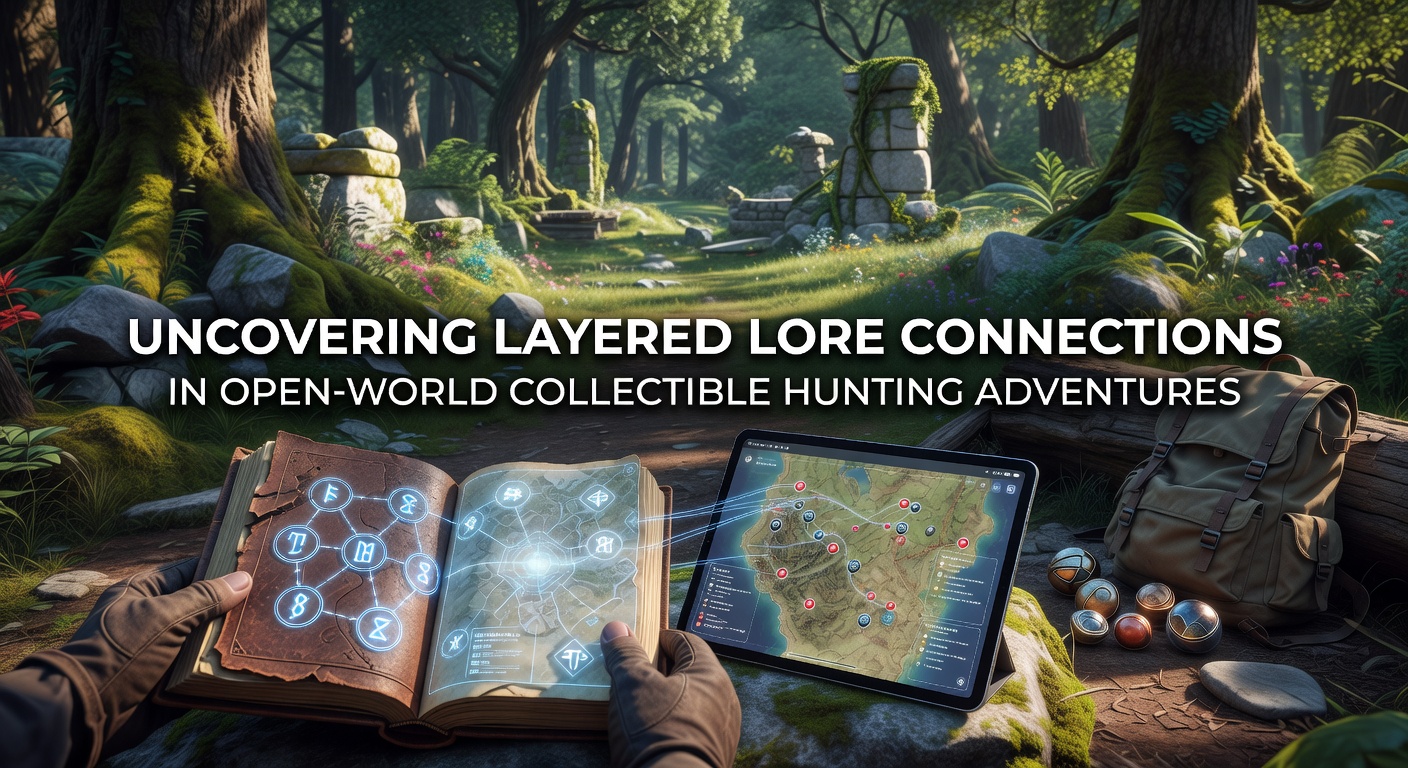
Players often begin these adventures by roaming expansive environments that reward systematic exploration with scattered items, and these collectibles frequently tie into deeper narrative threads that span multiple regions or timelines within a single title. Developers embed clues in seemingly minor objects such as journals, relics, or environmental markers, which connect to larger events involving ancient factions or pivotal historical shifts, and this approach creates opportunities for players to reconstruct stories that the main quest line only hints at.
Core Design Patterns in Lore Integration
Game designers place collectibles in locations that reflect thematic elements of the surrounding area, so a hidden scroll near a battlefield might detail troop movements while another found in a distant forest could reveal alliances that influenced the outcome, and together these fragments form cohesive backstories without requiring direct exposition during gameplay. Research indicates that such layering encourages repeated visits to previously explored zones because new context emerges after players acquire related items elsewhere, and data from industry reports shows this method sustains engagement across long play sessions. Observers note that titles released in recent years have refined these systems by incorporating dynamic updates that alter item descriptions based on player progress, which further intertwines collection mechanics with evolving plot revelations.
Player Strategies for Connecting Fragments
Those who study these games document how methodical mapping of collectible locations reveals geographic patterns that mirror in-game historical migrations or trade routes, and cross-referencing notes taken during hunts often uncovers contradictions that point to unreliable narrators or forgotten conflicts. One study revealed that players who organize findings in external databases identify recurring symbols across distant zones more quickly than those who rely solely on in-game interfaces, and this practice has led communities to compile comprehensive timelines that developers later acknowledge in patches. What's interesting is how audio logs or visual motifs discovered late in a playthrough retroactively recontextualize earlier finds, creating a feedback loop that rewards thoroughness without explicit guidance.
Regional Variations Across Major Releases
European-developed titles tend to emphasize philosophical texts among collectibles that explore themes of legacy and consequence, whereas North American productions frequently focus on personal diaries that humanize supporting characters through their relationships and regrets. Australian research institutions have examined how these differences affect retention rates, with figures showing higher completion percentages for layered collectible systems in games that balance both approaches. Players in cooperative modes sometimes share partial maps that accelerate group discoveries, yet individual hunters still uncover unique connections when they pursue side areas independently.
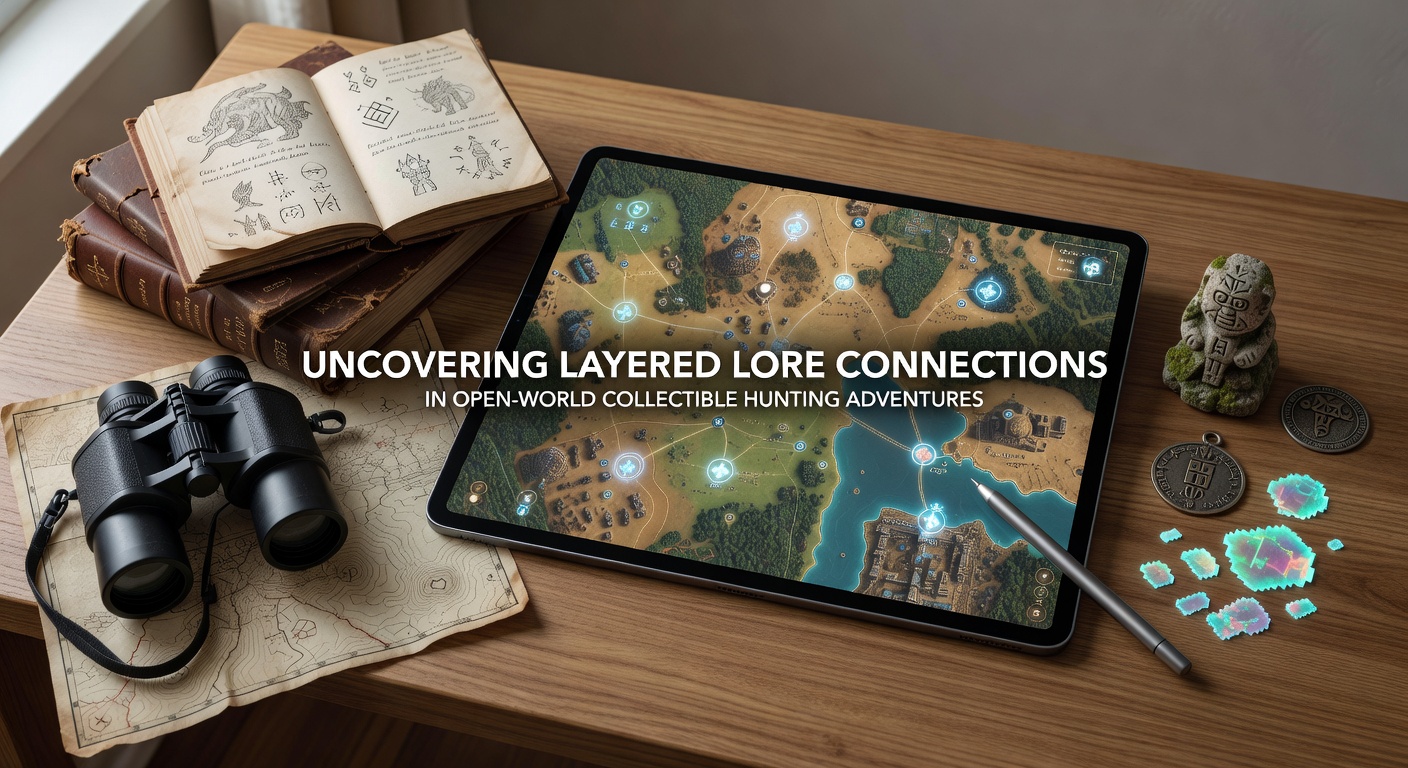
Updates scheduled around May 2026 for several ongoing open-world series introduce new collectible categories that reference events from prior entries, and these additions allow veterans to link current adventures to earlier installments through shared artifacts or recurring motifs. Industry organizations tracking narrative trends report that such cross-title continuity increases long-term player investment by turning standalone hunts into parts of broader sagas.
Technical Implementation and Discovery Tools
Modern engines support conditional rendering of lore text that activates only after players obtain prerequisite items, which prevents spoilers while preserving the satisfaction of gradual revelation, and this technique appears in multiple high-profile releases where environmental storytelling complements direct collection. Those who've analyzed code structures find that developers seed redundant clues in optional areas to accommodate different play styles, ensuring that even speed-focused participants encounter enough fragments to grasp core connections. The reality is that these systems require careful balancing because overly obscure placements can frustrate completionists while obvious ones diminish the sense of discovery.
Community-driven wikis aggregate verified connections from thousands of players, and academic papers on interactive media have cited these repositories as examples of emergent narrative analysis that extend beyond developer intent. One researcher who tracked symbol usage across three related titles identified consistent color coding that signals allegiance shifts, and similar patterns surface in unrelated franchises that adopt comparable design philosophies.
Conclusion
Collectible hunting in open-world environments continues to serve as a primary vehicle for unveiling layered lore, with each new release building on established techniques to deepen player investment in fictional histories. As developers refine these mechanics through seasonal content drops and cross-media references, the practice of piecing together stories from scattered objects remains central to how audiences experience expansive digital worlds.