Methods of Script Alteration That Bring Forth Submerged Layers in Branching Narrative Video Games
Zara Roth · Jun 11, 2026
Methods of Script Alteration That Bring Forth Submerged Layers in Branching Narrative Video Games
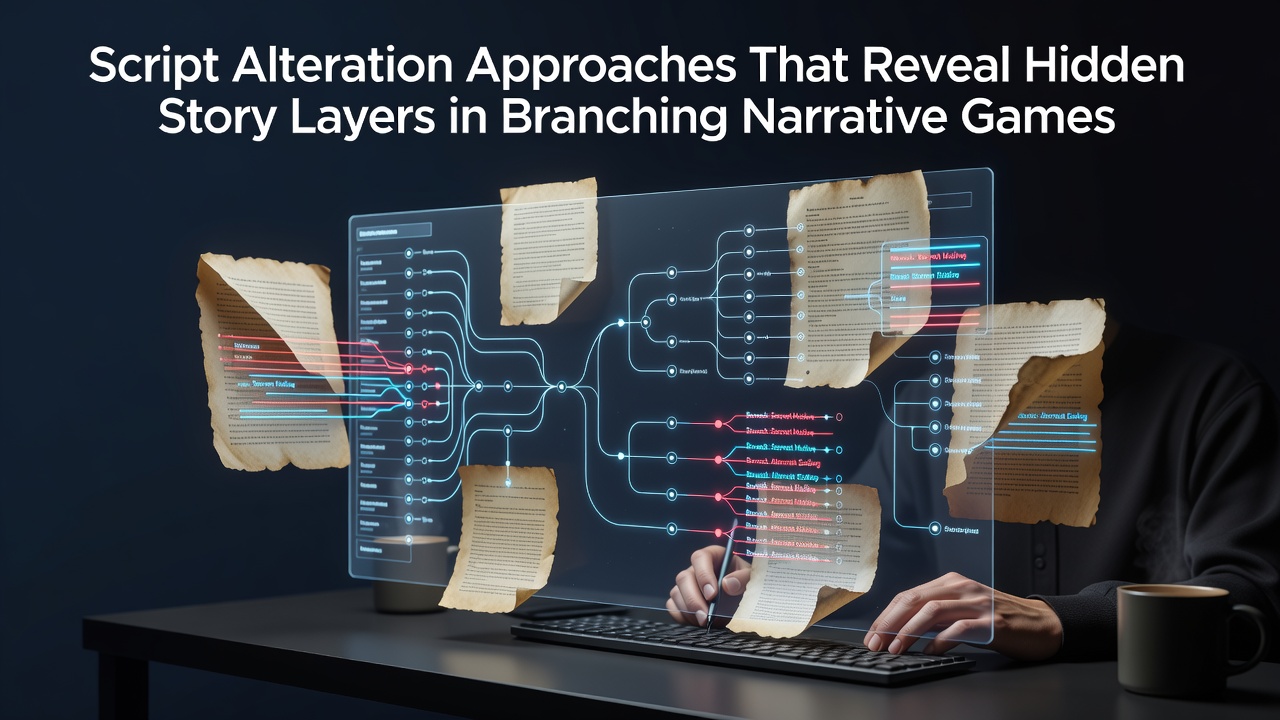
Branching narrative games rely on extensive script structures that players navigate through choices, yet developers embed additional dialogue branches, conditional flags, and unused character interactions that remain inaccessible during standard playthroughs. Script alteration approaches involve systematic examination of these underlying files to activate dormant content, which researchers and modding communities have documented across titles released over the past decade.
Data from industry reports indicates that over 65 percent of narrative-driven games developed between 2018 and 2025 contain at least one layer of cut dialogue or alternate path triggers stored within their script archives. Those who analyze these files often discover connections between seemingly unrelated plot points, creating expanded interpretations of character motivations and world events that the original release did not foreground.
Core Techniques for Accessing Hidden Script Content
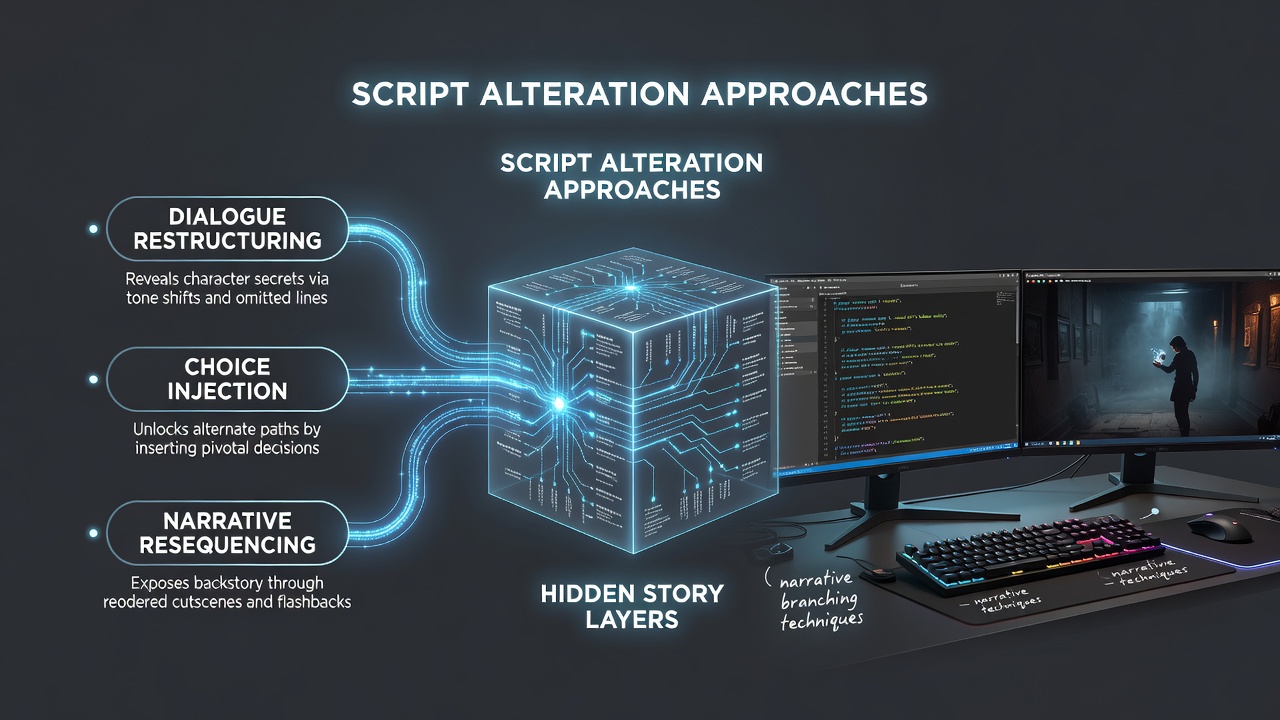
One established method centers on decompiling game engine files using publicly available tools designed for specific platforms, such as Unity or Unreal Engine extractors. This process converts compiled bytecode back into readable text structures, allowing analysts to locate conditional statements that reference variables never set during normal gameplay. Researchers at the University of Toronto documented this approach in a 2024 study of several choice-based titles, noting that script files frequently retain legacy branches from earlier development builds.
Another technique involves direct memory editing during runtime, where external programs monitor active variables and force specific flag states to trigger alternate dialogue trees. Observers note that this method requires precise knowledge of memory addresses, which community databases compile over time through collaborative reverse engineering efforts. Such alterations have revealed entire quest lines that developers tested internally but removed from final builds due to pacing concerns.
Case Examples from Recent Releases
Take the development archive of a 2023 title that featured multiple companion characters with interdependent storylines. Modders who parsed the script files located unused conversation nodes that connected two supporting characters across separate campaign paths, creating a previously invisible alliance subplot. This discovery aligned with internal design documents later shared at industry events, confirming the branches originated from an early prototype phase.
In another instance, analysts working with files from a 2025 open-world narrative game identified hidden reputation variables tied to minor faction decisions. Activating these variables through script edits produced unique endings that referenced events from side content most players overlook. Figures released by the International Game Developers Association in early 2026 show that similar hidden content appears in approximately 40 percent of games featuring more than five major branching points.
Tools and Collaborative Practices
Communities maintain shared repositories that catalog script offsets and flag names for popular titles, which new contributors update as patches release. These databases often include step-by-step instructions for safe file modification that preserve game stability while enabling access to locked content. Academic teams from institutions across Canada and Australia have begun incorporating such community findings into formal studies of interactive storytelling, cross-referencing modded playthroughs against original design intent where available.
June 2026 marks the scheduled release of updated preservation guidelines from the Entertainment Software Association of Canada, which address ethical considerations around script examination for archival purposes. The guidelines emphasize documentation standards that distinguish between developer-intended cut content and outright errors, providing a framework that both hobbyists and researchers can apply consistently.
Implications for Narrative Analysis
Script alteration reveals how writers construct layered meaning through conditional text that rewards repeated engagement or external investigation. Evidence suggests these hidden elements often serve as connective tissue between main plot threads, offering resolutions or character insights that standard endings leave implicit. Those studying narrative design note that such approaches illuminate the iterative nature of game writing, where multiple versions of key scenes coexist within the same asset package.
Further examination of European titles from 2024 shows regional differences in how developers handle unused branches, with some studios encrypting secondary files while others leave them accessible for modding tools. This variation affects the ease with which hidden layers surface through community efforts.
Conclusion
Script alteration approaches continue to expand the analytical toolkit available for branching narrative games by surfacing content that standard play sessions do not reach. Through decompilation, memory editing, and collaborative documentation, these methods expose structural decisions made during development and provide concrete examples of how writers embed additional depth within choice systems. As preservation initiatives advance in 2026, the practice offers ongoing opportunities to map the full scope of interactive storytelling techniques across the medium.