Modding Enthusiasts Propel Niche Indie Games Toward Mainstream Acclaim
Sage Flores · Jul 28, 2026
Modding Enthusiasts Propel Niche Indie Games Toward Mainstream Acclaim
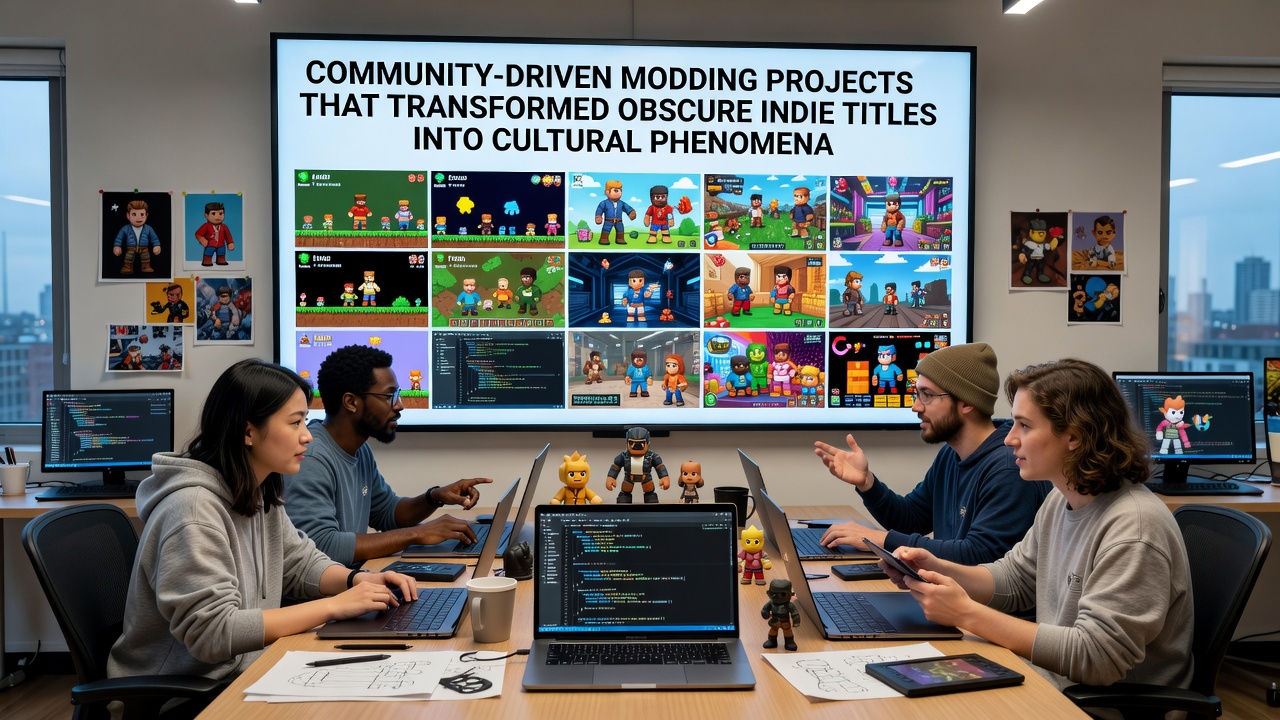
Community-driven modding has reshaped several obscure indie titles by adding layers of content that developers never planned, and this process often starts when small teams or solo creators release their games to limited audiences. Data from industry reports shows that player modifications can extend game lifespans by years while drawing in new users through shared online platforms, yet the original titles sometimes begin with modest sales figures and niche appeal. Researchers at the University of Alberta have documented how these efforts turn overlooked projects into shared cultural touchstones, and the patterns emerge across genres from survival simulations to roguelikes.
Early Examples of Transformation Through Player Input
One case involves titles like RimWorld where initial releases in the mid-2010s attracted dedicated coders who built expansions for storytelling and colony management, and these additions encouraged broader adoption as word spread through forums and streaming services. Observers note that the base game sold modestly at first, but community patches and new scenarios pushed visibility higher, and similar dynamics appear in other projects where fans fill gaps left by small development budgets. Figures from the International Game Developers Association reveal that mod repositories now host thousands of contributions for select indie releases, and this activity creates feedback loops that boost visibility without traditional marketing spends.
Mechanics Behind Successful Mod Ecosystems
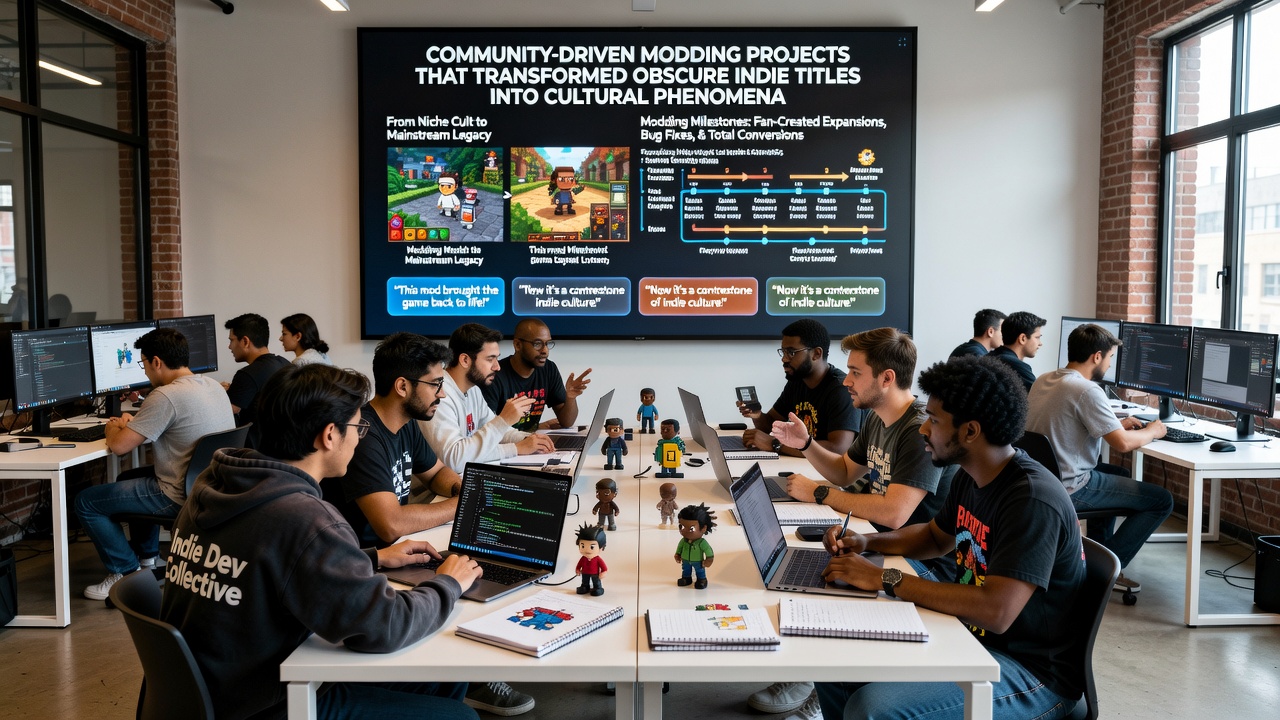
Successful projects typically provide open toolkits or editable files from the start, and this approach lets participants introduce new characters, environments, or rule sets that align with player preferences. Studies indicate that games with strong mod support retain users longer because fresh experiences emerge continuously, whereas titles without such access fade quicker after launch windows close. People often find that coordinated efforts on sites like Nexus Mods or dedicated Discord servers accelerate the spread of these changes, and the result includes cross-pollination where one modification inspires another in sequence. As of July 2026, several long-running indie titles continue to receive updates from volunteer teams that refine balance and add compatibility layers for newer hardware.
Broader Industry Ripple Effects
Publishers have started to notice these patterns and sometimes incorporate mod-friendly designs into later releases, and this shift reflects data that shows higher engagement metrics for games with active communities. Reports from the European Games Developer Federation highlight how such ecosystems can generate secondary revenue through cosmetic add-ons or official support packs, while the core experience stays rooted in player creativity. Those who track sales trends observe that certain indie titles achieve cult status primarily through accumulated modifications rather than base content alone, and this outcome appears across multiple regions where digital distribution lowers barriers for sharing work.
Academic analyses further connect these developments to wider gaming culture, and they point out that modding communities often operate as informal training grounds for aspiring developers. Evidence suggests that skills gained through collaborative projects transfer into professional roles, and the cycle sustains itself as experienced contributors mentor newcomers. What's interesting is the way geographic diversity plays out, with contributors from different countries adapting content to local tastes while maintaining core compatibility.
Challenges and Sustainability Factors
Legal considerations around intellectual property sometimes limit how far modifications can go, and developers must balance openness with protection of their original work. Industry guidelines from various trade groups emphasize clear licensing terms that encourage participation without exposing creators to unintended risks, and this framework helps maintain momentum for long-term projects. Data shows that titles with transparent policies attract larger contributor bases over time, whereas ambiguity can slow adoption and reduce the volume of shared resources.
Conclusion
Community modifications continue to influence which indie games gain lasting recognition, and the evidence points to structured support systems as key drivers of this process. Ongoing activity through mid-2026 demonstrates that these patterns persist across new releases, and they connect small-scale creative efforts to wider audience reach without relying on conventional promotion channels. The documented outcomes provide clear examples of how player involvement can expand the reach of niche titles into sustained cultural presence.