Player Archives Safeguard Obscure Multiplayer Features From Internet Gaming's Dawn
Lars Sullivan · Aug 18, 2026
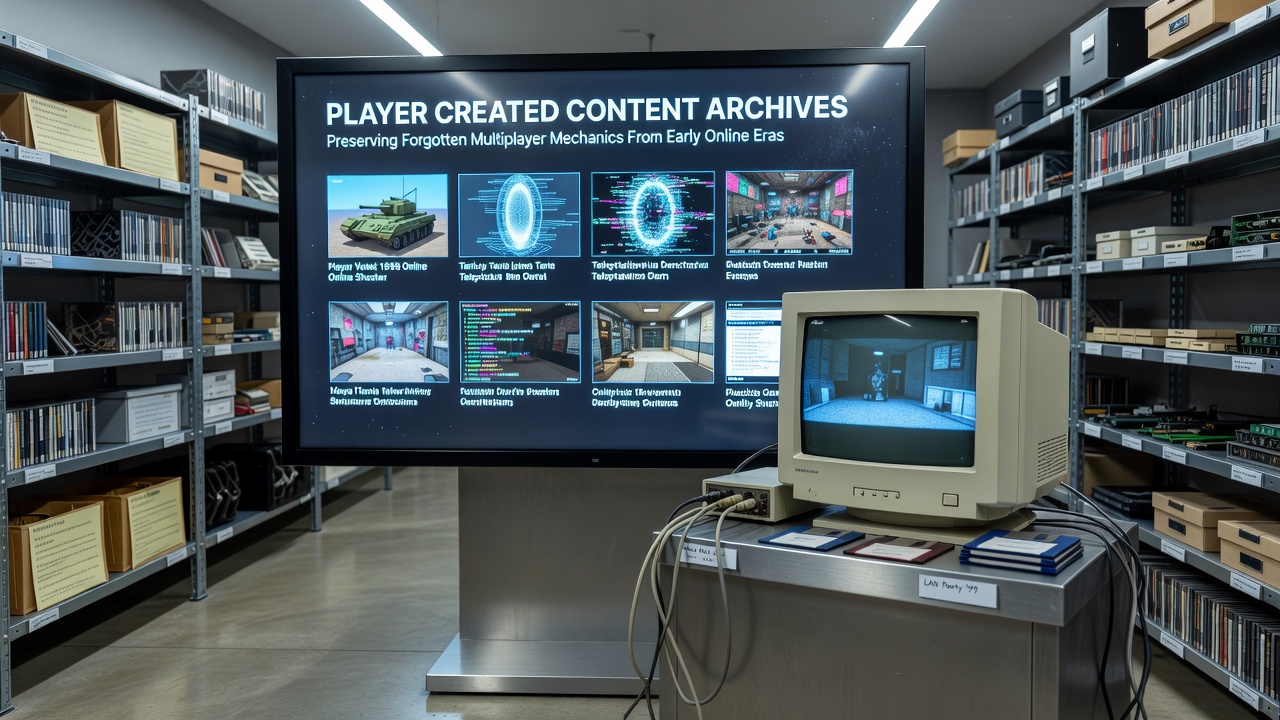
Player Archives Safeguard Obscure Multiplayer Features From Internet Gaming's Dawn
Player created content archives have emerged as key repositories for mechanics that defined early online multiplayer experiences yet vanished from modern titles. These collections capture custom rulesets, server configurations, and community modifications from eras when games like Ultima Online and EverQuest operated on dial-up connections with persistent worlds that players shaped directly. Data from preservation projects shows thousands of such files now stored in distributed databases that prevent loss when original servers shut down.
Communities maintain these records through volunteer efforts that include reverse engineering old client software alongside documentation of trading systems, event triggers, and economy loops that developers later removed. One study from a Canadian research group tracked over 400 unique mechanics across archived logs from 1997 to 2005, revealing patterns in player-driven balance changes that official patches often ignored.
Mechanics That Disappeared From Live Servers
Early online games featured systems such as player-owned housing economies in which virtual real estate prices fluctuated based on supply and demand tracked manually through in-game ledgers. Archives preserve spreadsheets and forum posts that detail these fluctuations, including cases where a single guild cornered the market on rare materials for months. Similar records cover glitch-based crafting loops in games like Ragnarok Online that allowed resource duplication until patches closed them, though community servers later reinstated variants for nostalgia events.
Multiplayer combat mechanics also appear frequently in these collections. Observers note detailed replays of line-of-sight exploits in early Counter-Strike matches that competitive scenes treated as standard tactics before standardization efforts altered maps. Preservation groups convert these replays into annotated videos that run on modern emulators, allowing new players to study positioning strategies no longer possible on updated engines.
Methods Used to Maintain Historical Records
Archivists employ a combination of source code forks hosted on public repositories and video captures from original hardware setups. They store these materials with metadata tags that reference specific patch versions and regional server differences, such as European versus North American latency handling in games like World of Warcraft during its 2004 launch period. Figures from the Internet Archive indicate that gaming-related uploads increased by 35 percent between 2020 and 2025 as older hardware reached end-of-life cycles.
Researchers discovered that many archives cross-reference materials with academic papers on digital ephemera, creating searchable indexes that connect a forgotten auction house mechanic in one title to similar implementations in unrelated games. This approach helps identify convergent design choices across studios that operated independently during the late 1990s dial-up era.
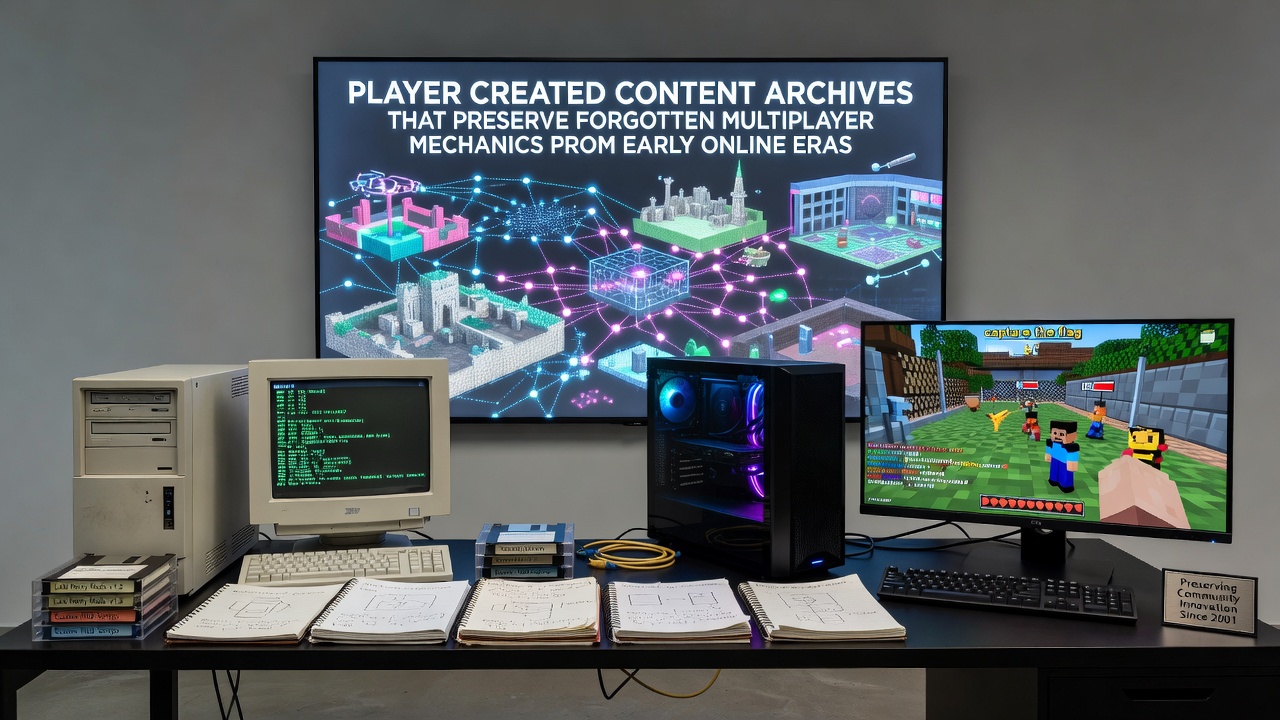
Developments Through August 2026
By August 2026 several archives completed integration of newly recovered data from defunct private servers that operated between 2008 and 2012. These additions include full packet logs from custom battlegrounds in Lineage II that featured player-voted rule changes during matches. Groups based in Australia and the European Union coordinated the transfers to ensure redundancy across multiple hosting locations.
Industry reports from organizations such as the Library of Congress digital preservation program note rising interest in these collections from developers seeking inspiration for live-service updates. The records provide concrete examples of how small teams once balanced large player bases without automated matchmaking algorithms.
Legal and Technical Considerations
Preservation work navigates copyright frameworks that vary by region, with some collections operating under fair use provisions for educational documentation while others restrict access to registered researchers. Technical challenges include emulating deprecated network protocols that required specific port forwarding setups common in early broadband transitions. Groups address these issues by releasing modified clients alongside original server binaries when licenses permit.
Evidence from university-led initiatives in Japan and Brazil shows that collaborative tagging systems improve search accuracy for mechanics like regional event timers that differed between time zones. These systems allow users to filter results by hardware constraints such as modem speeds or graphics card limitations that influenced design decisions at the time.
Conclusion
Player created content archives continue to expand their holdings of early online multiplayer mechanics through systematic collection and cross-referencing. They connect disparate examples from different titles into searchable resources that document how communities once filled gaps left by limited developer resources. As more original hardware becomes unavailable, these distributed efforts ensure that mechanics like custom economy loops and glitch-derived features remain accessible for study and recreation.