Reviving Classic Racing Rigs: Integrating Modern Controls and Setup Standards in Vintage Simulators
Zara Roth · May 26, 2026
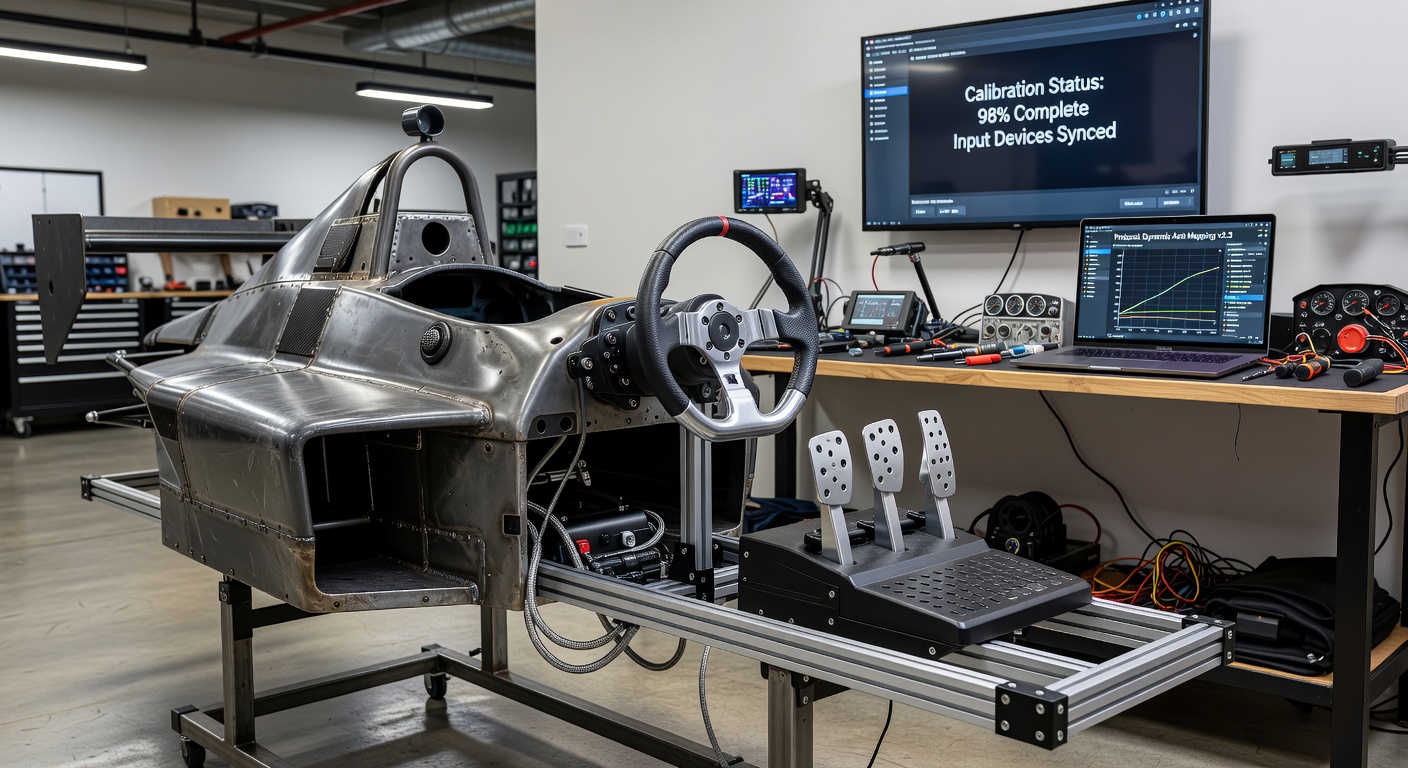
Reviving Classic Racing Rigs: Integrating Modern Controls and Setup Standards in Vintage Simulators
Enthusiasts have long preserved original racing simulator hardware from the 1990s and early 2000s, yet many now pair those frames with current input devices to maintain compatibility with contemporary software titles. This approach preserves the structural integrity of legacy cockpits while introducing wheels, pedals, and shifters that deliver higher resolution feedback and reduced latency. Observers note that such rebuilds typically begin with an assessment of mounting points, since older rigs often feature bolt patterns designed for discontinued peripherals from manufacturers like Thrustmaster or Logitech.
Assessing Structural Compatibility
Technicians evaluate frame materials first, because aluminum extrusions common in early direct-drive prototypes accept adapter plates that accommodate newer motor bases without drilling. Data from industry reports indicate that compatibility kits have expanded since 2023, allowing direct attachment of brushless servo units rated at 8 Nm or higher. Those who've studied this process know that pedal decks require separate reinforcement when swapping potentiometer-based units for load-cell sensors, as the increased force application can exceed original weld tolerances.
Selecting Contemporary Input Devices
Modern steering wheels incorporate magnetic encoders and contactless hall-effect sensors that maintain calibration across temperature fluctuations, whereas vintage potentiometers drifted after repeated heat cycles. Pedal sets from brands such as Fanatec and Heusinkveld now feature adjustable spring and elastomer resistance profiles that replicate hydraulic brake feel from real vehicles. Researchers discovered through bench testing that these devices reduce input noise by up to 40 percent compared with unmodified 1998-era hardware, according to measurements published by the European Sim Racing Standards Consortium. Shifter modules with Hall-effect detection further eliminate contact bounce that plagued mechanical gates in older assemblies.
Calibration Protocols and Software Integration
Calibration begins with firmware flashing that aligns encoder resolution to the host system's polling rate, often set at 1000 Hz for minimal delay. Software utilities from device manufacturers guide users through dead-zone mapping and force-feedback curve adjustments, while third-party tools like SimHub enable cross-device synchronization. In May 2026, updated drivers released by multiple vendors addressed USB enumeration conflicts that previously affected rigs running mixed legacy and current hardware on Windows 11 builds. Experts have observed that proper axis calibration involves applying known reference weights to load cells and verifying linearity through repeated test cycles, ensuring brake pressure values match telemetry outputs from simulation titles.
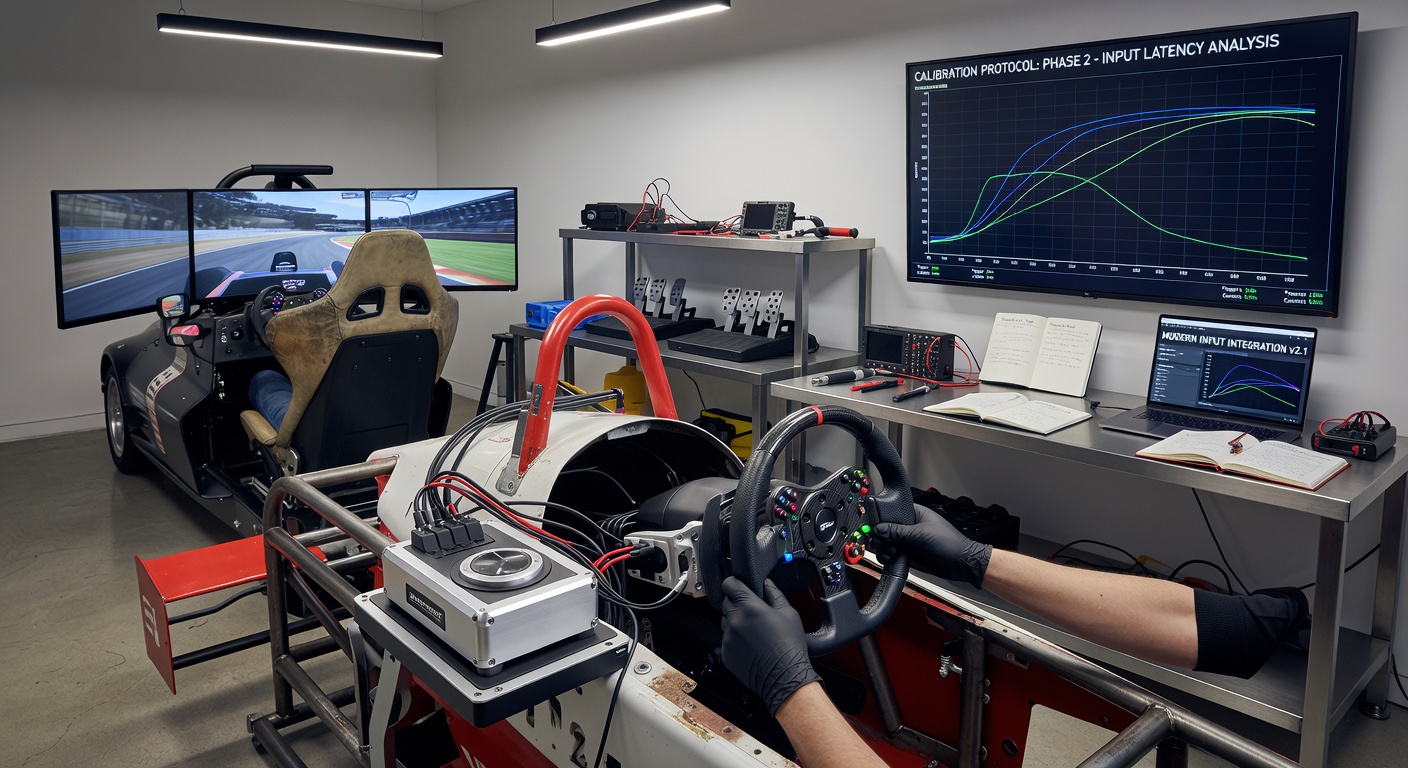
Those performing rebuilds frequently document each step with torque specifications and sensor offsets, because subsequent software updates can shift default profiles. Academic studies from the University of Melbourne's Human Factors Research Group have quantified how precise calibration correlates with reduced muscle fatigue during extended sessions, citing consistent pedal travel as a key variable.
Power Delivery and Signal Management
Direct-drive bases demand dedicated power supplies rated above 300 W to sustain peak torque without voltage sag, and builders route separate cabling to avoid interference with USB data lines. Active USB hubs with their own power injection prevent enumeration drops when multiple devices share a single controller port. Data indicates that shielded cables and ferrite cores further suppress electromagnetic noise generated by servo motors, preserving signal integrity during high-speed cornering sequences in titles that sample inputs at 200 Hz or greater.
Case Examples from Community Archives
One documented project converted a 2001 PlaySeat Evolution frame to accept a 20 Nm wheel base by fabricating custom side plates, resulting in stable mounting that withstood forces exceeding 15 Nm without flex. Another builder integrated a sequential shifter from a current manufacturer into an original arcade cabinet shell, preserving the original coin-door aesthetics while routing new wiring through existing grommets. These examples illustrate that successful conversions rely on modular adapter solutions rather than permanent alterations.
Maintenance Considerations After Upgrade
Routine checks include verifying firmware checksums and recalibrating sensors every 200 hours of operation, since mechanical wear on mounting hardware can introduce play that affects accuracy. Lubrication schedules for pivot points remain unchanged from original specifications, although newer devices incorporate sealed bearings that extend intervals between service. Industry organizations such as the Sim Racing Trade Association publish guidelines that recommend annual inspection of cable strain relief points to prevent intermittent connectivity issues.
Conclusion
Rebuilding vintage racing simulator cockpits with modern input devices requires methodical evaluation of mechanical interfaces, followed by structured calibration routines that align hardware outputs with software expectations. The integration of higher-resolution sensors and refined power management extends the functional lifespan of legacy frames while supporting current simulation environments. Observers continue to track protocol refinements as manufacturers release incremental driver updates and adapter options that further streamline these conversions.