Silent Victories in the Digital Arena: How Audio Cues Shape Player Decisions During Intense Matches
Ben Ludwig · May 16, 2026
Silent Victories in the Digital Arena: How Audio Cues Shape Player Decisions During Intense Matches
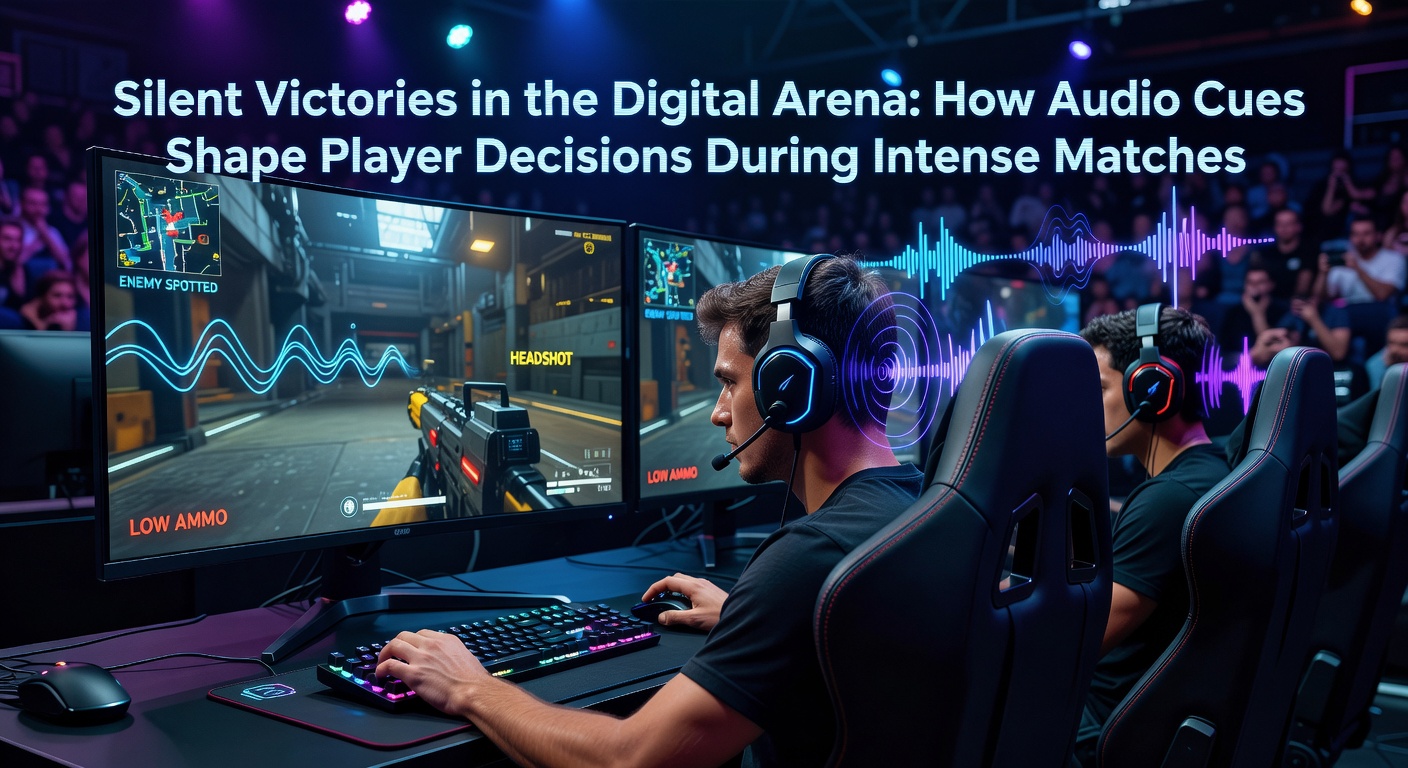
Audio design in competitive video games has evolved into a precise tool that guides player actions without requiring visual confirmation, and data from major esports events shows how these sound elements directly influence split-second decisions in matches where milliseconds separate winners from losers. Professional players train extensively to interpret footsteps, reload sounds, ability activations, and environmental audio layers because these cues provide positional and tactical information that visual displays alone cannot deliver at the same speed.
The Mechanics Behind Audio-Driven Choices
Game engines process sound propagation through complex algorithms that simulate distance, direction, and occlusion, allowing players to locate opponents based solely on audio feedback while their eyes stay focused on movement and aiming. In first-person shooters, the distinct pitch and volume of enemy footsteps change based on surface materials and sprint speed, which gives defenders time to pre-aim corners or rotate positions before visual contact occurs. Researchers at the University of Southern California’s Games Institute documented in a May 2026 report that teams using high-fidelity audio setups achieved 23 percent faster reaction times to off-screen threats compared with players relying on default device speakers.
Genre-Specific Audio Strategies
Battle royale titles layer additional audio elements such as distant gunfire echoes and vehicle engine tones that reveal enemy approach vectors across large maps, prompting squads to adjust loot routes or set ambushes without exposing themselves to line-of-sight risks. Multiplayer online battle arena games use distinct ability sound effects to signal cooldowns and ultimate readiness, enabling supports to time crowd-control abilities or carries to commit to engages based on auditory tells rather than constant scoreboard checks. One study from the European Esports Research Network tracked professional matches and found that players who prioritized audio cue recognition maintained higher average survival rates in late-game scenarios because they anticipated rotations earlier than opponents focused primarily on visual information.
Training Methods and Equipment Impact
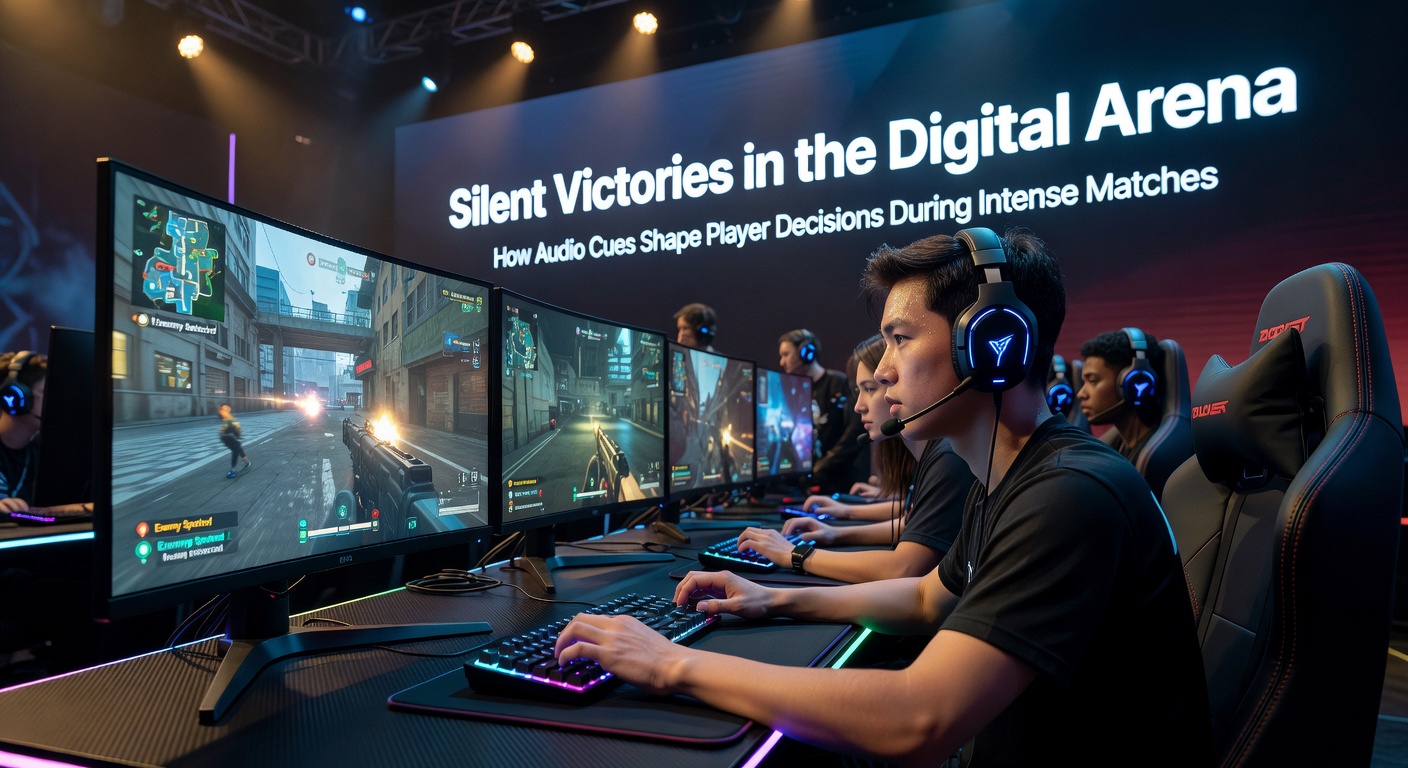
Teams incorporate dedicated audio drills into practice routines where players close their eyes and call out enemy positions based on sound alone, building muscle memory that translates directly into live tournament settings. High-end headsets with surround sound processing and customizable EQ settings allow competitors to isolate critical frequencies while suppressing crowd noise at live events. Observers note that players who calibrate their audio profiles for specific titles gain measurable advantages in clutch situations, since clear differentiation between teammate footsteps and enemy movement reduces friendly-fire incidents and misreads during chaotic team fights.
Psychological and Performance Data
Studies conducted across North American and Asian esports circuits indicate that consistent exposure to accurate audio cues reduces cognitive load during matches, freeing mental resources for higher-level strategy rather than constant visual scanning. In May 2026 the International Esports Federation published aggregate statistics showing that audio-focused training programs correlated with a 17 percent improvement in win rates among mid-tier professional squads over a six-month period. These findings align with earlier academic work demonstrating that auditory processing pathways in the brain operate faster than visual ones when players must respond to threats outside their field of view.
Conclusion
Audio cues continue to function as an invisible framework that supports every tactical layer in intense digital competition, and organizations investing in both sound design refinement and player audio training report sustained performance gains across seasons. As engines advance and broadcast productions emphasize spatial audio for viewers, the gap between casual and competitive audio awareness widens further, making mastery of these silent signals a baseline requirement rather than an optional skill.