Synchronizing Controller Inputs With Audio Feedback Loops in Rhythm-Based Competitive Matches
Sage Flores · Jul 7, 2026
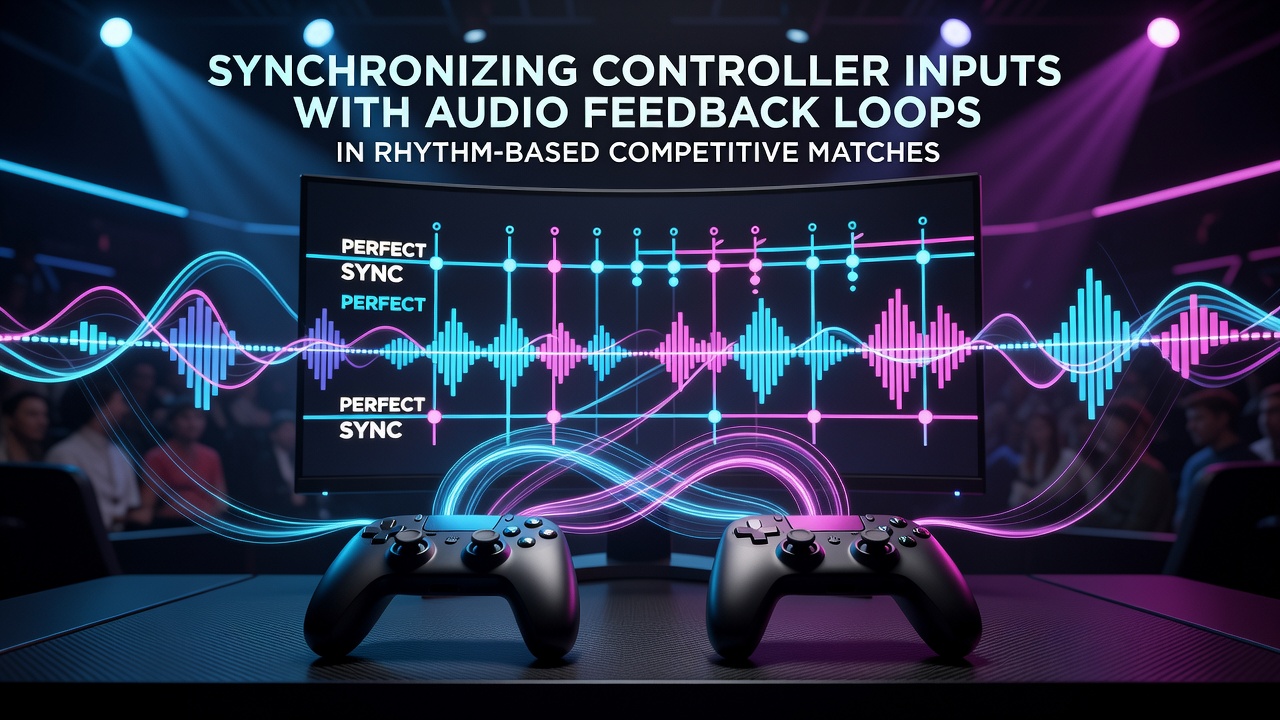
Aligning Controller Inputs and Audio Feedback in Rhythm-Based Competitive Gaming Events
Rhythm-based competitive matches rely on precise coordination between player actions and layered sound cues, and developers have refined systems that link controller inputs directly to audio feedback loops so every button press registers against the exact beat patterns. These setups process signals through dedicated timing engines that compare input data against preloaded audio tracks, while real-time adjustments maintain consistency across different hardware configurations and venue acoustics. Organizers track latency measurements during tournaments to ensure the loops respond within milliseconds, and data collected from past events shows how even small offsets can shift scoring outcomes in high-stakes rounds. Hardware manufacturers supply specialized controllers equipped with low-latency sensors that feed directly into the synchronization software, and tournament venues install calibrated speakers along with monitoring software that verifies audio delivery matches the internal game clock. Research from the University of Melbourne indicates that standardized calibration protocols reduce timing variance by measurable percentages when multiple consoles operate simultaneously on shared networks. Players practice with custom training modes that isolate feedback loops, allowing them to internalize the relationship between physical inputs and resulting audio cues before entering bracket play.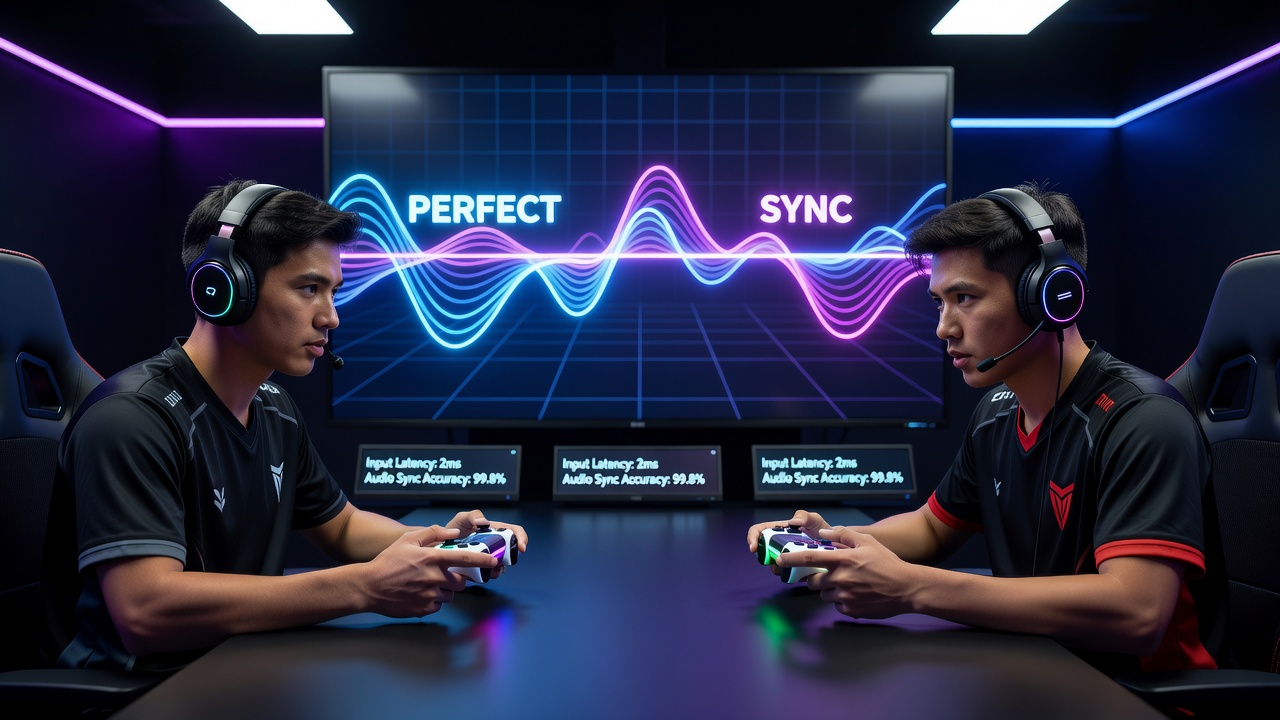
Rhythm-based competitive matches rely on precise coordination between player actions and layered sound cues, and developers have refined systems that link controller inputs directly to audio feedback loops so every button press registers against the exact beat patterns. These setups process signals through dedicated timing engines that compare input data against preloaded audio tracks, while real-time adjustments maintain consistency across different hardware configurations and venue acoustics. Organizers track latency measurements during tournaments to ensure the loops respond within milliseconds, and data collected from past events shows how even small offsets can shift scoring outcomes in high-stakes rounds. Hardware manufacturers supply specialized controllers equipped with low-latency sensors that feed directly into the synchronization software, and tournament venues install calibrated speakers along with monitoring software that verifies audio delivery matches the internal game clock. Research from the University of Melbourne indicates that standardized calibration protocols reduce timing variance by measurable percentages when multiple consoles operate simultaneously on shared networks. Players practice with custom training modes that isolate feedback loops, allowing them to internalize the relationship between physical inputs and resulting audio cues before entering bracket play.Core Technical Components
Modern synchronization begins with an audio engine that generates continuous loops tied to note charts, and these loops connect to input parsers that timestamp every controller signal against the current audio position. Buffer management routines handle network jitter during online qualifiers, while dedicated hardware clocks prevent drift between visual displays and sound output. Event staff run pre-match diagnostics that measure round-trip latency from controller to speaker, and figures from recent international circuits reveal average acceptable thresholds sit below 20 milliseconds for professional divisions. Software updates released in early 2025 introduced dynamic loop adjustment features that compensate for temperature-related audio hardware changes, and these tools proved useful during large-scale LAN events where equipment runs for extended hours. Observers note that integration with motion-sensing peripherals has expanded the input options available in certain rhythm titles, yet core alignment still depends on the same feedback architecture to keep scoring fair.Implementation in Tournament Settings
Event producers set up dedicated synchronization stations where each station undergoes individual testing before matches begin, and this process includes loading reference audio tracks that trigger known input sequences for verification. Staff members log results into centralized databases so officials can compare performance across different days or venues, and the accumulated records help identify patterns in hardware aging or software conflicts. During July 2026 competitions, organizers intend to deploy upgraded monitoring dashboards that display live sync metrics to both players and spectators through venue screens. Regional circuits in North America and Europe follow slightly different calibration sequences because local regulations influence allowable equipment modifications, yet the underlying loop architecture remains consistent enough for cross-region leaderboards. Data compiled by the Interactive Games and Entertainment Association demonstrates that venues adopting unified timing standards report fewer disputed scores over multi-day events.